 укр
укр  eng
eng 

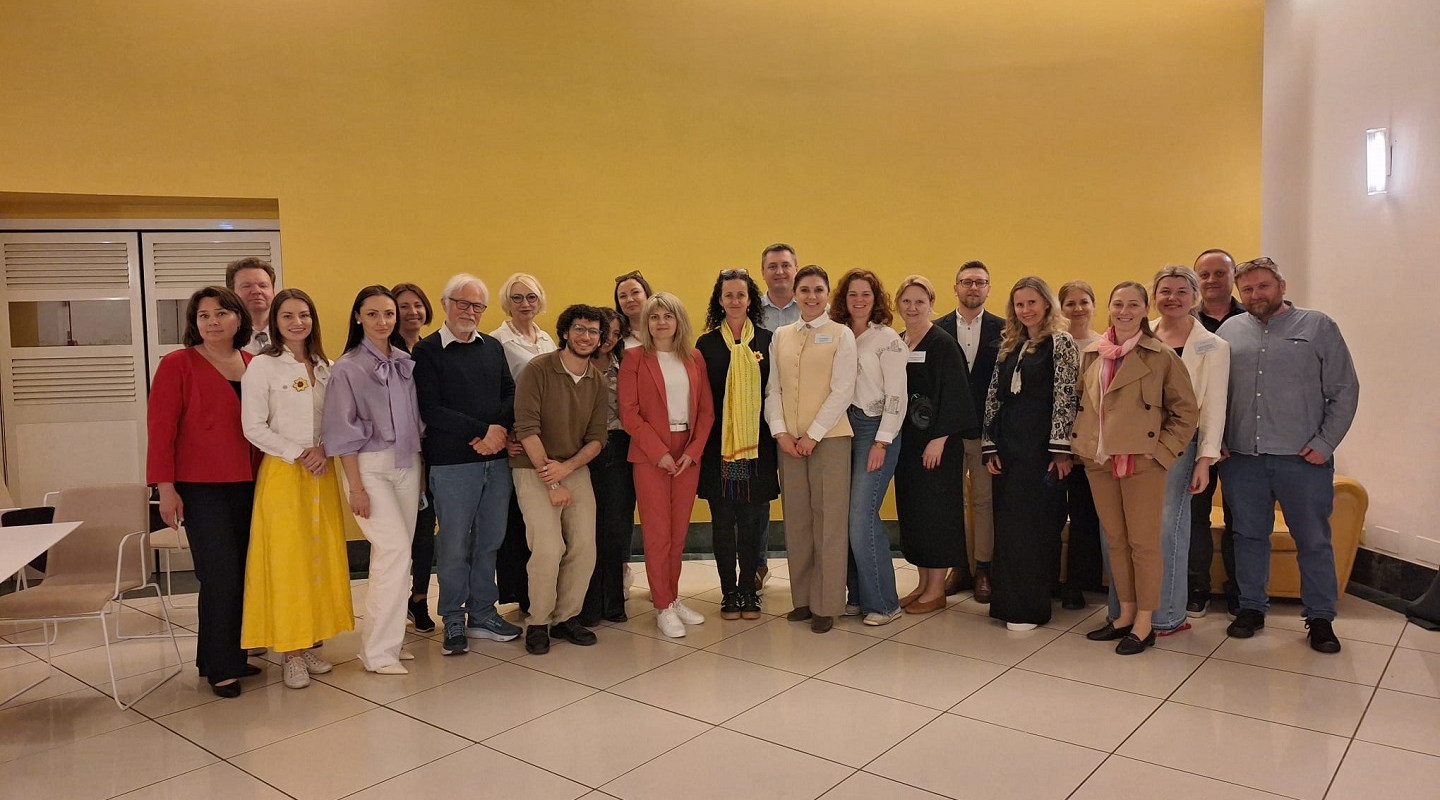
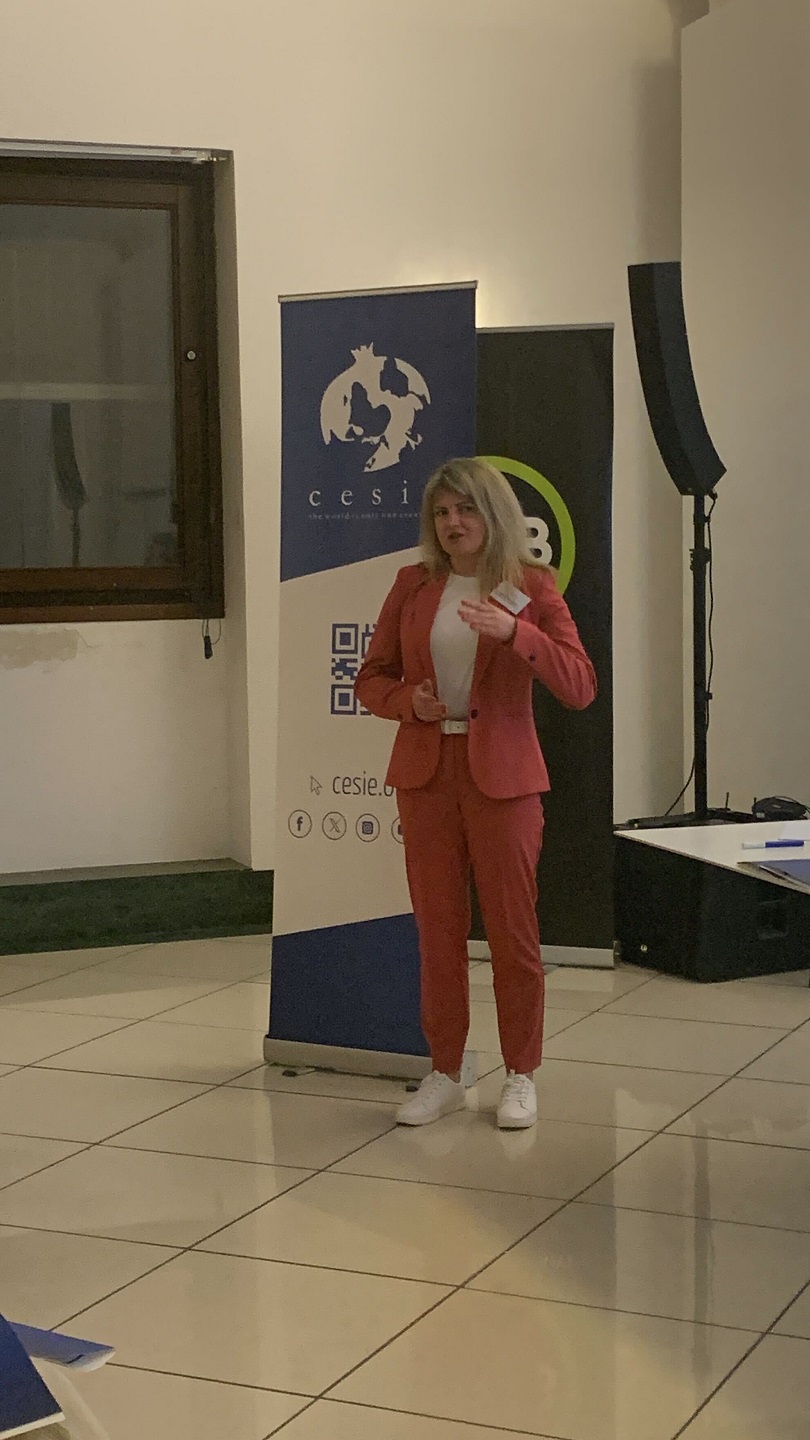
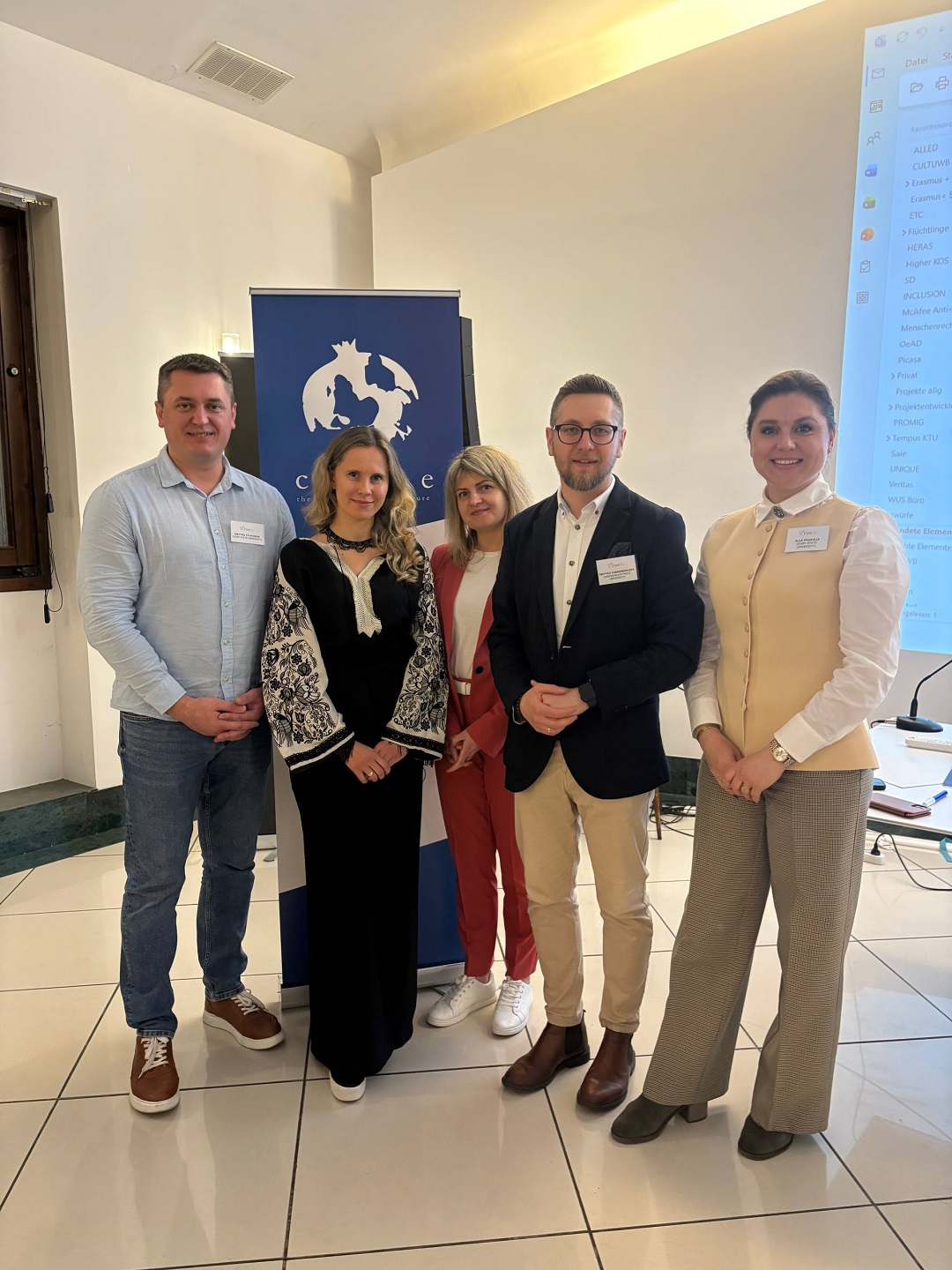
Palermo, Italy, brought together European and Ukrainian experts to explore ways to protect and support academic freedom in Ukrainian higher education. Sumy State University joined this dialogue as part of the Erasmus+ FreeAc project (2023-1-AT01-KA220-HED-000164930). The event was hosted with the organisational support of CESIE, one of the project's consortium partners.
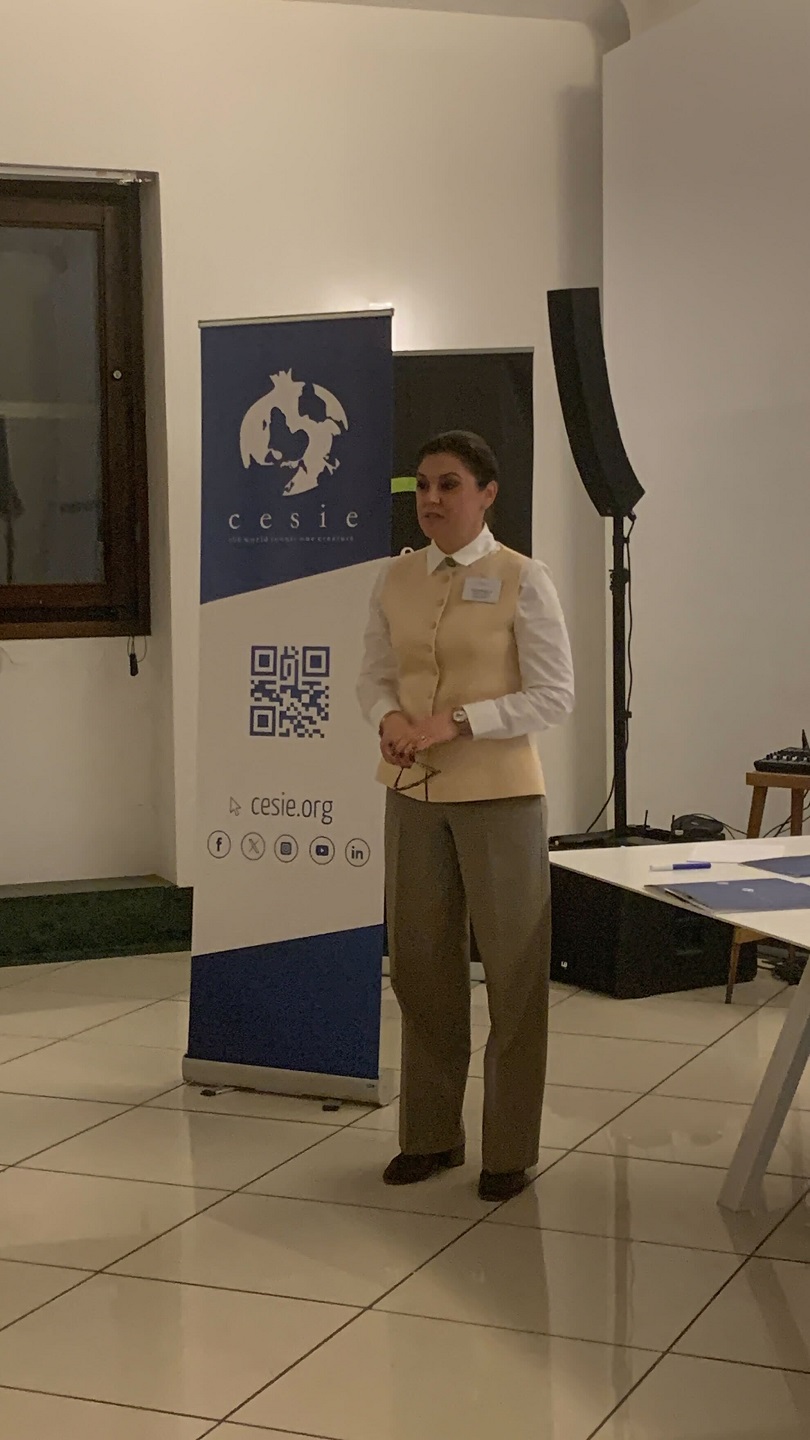
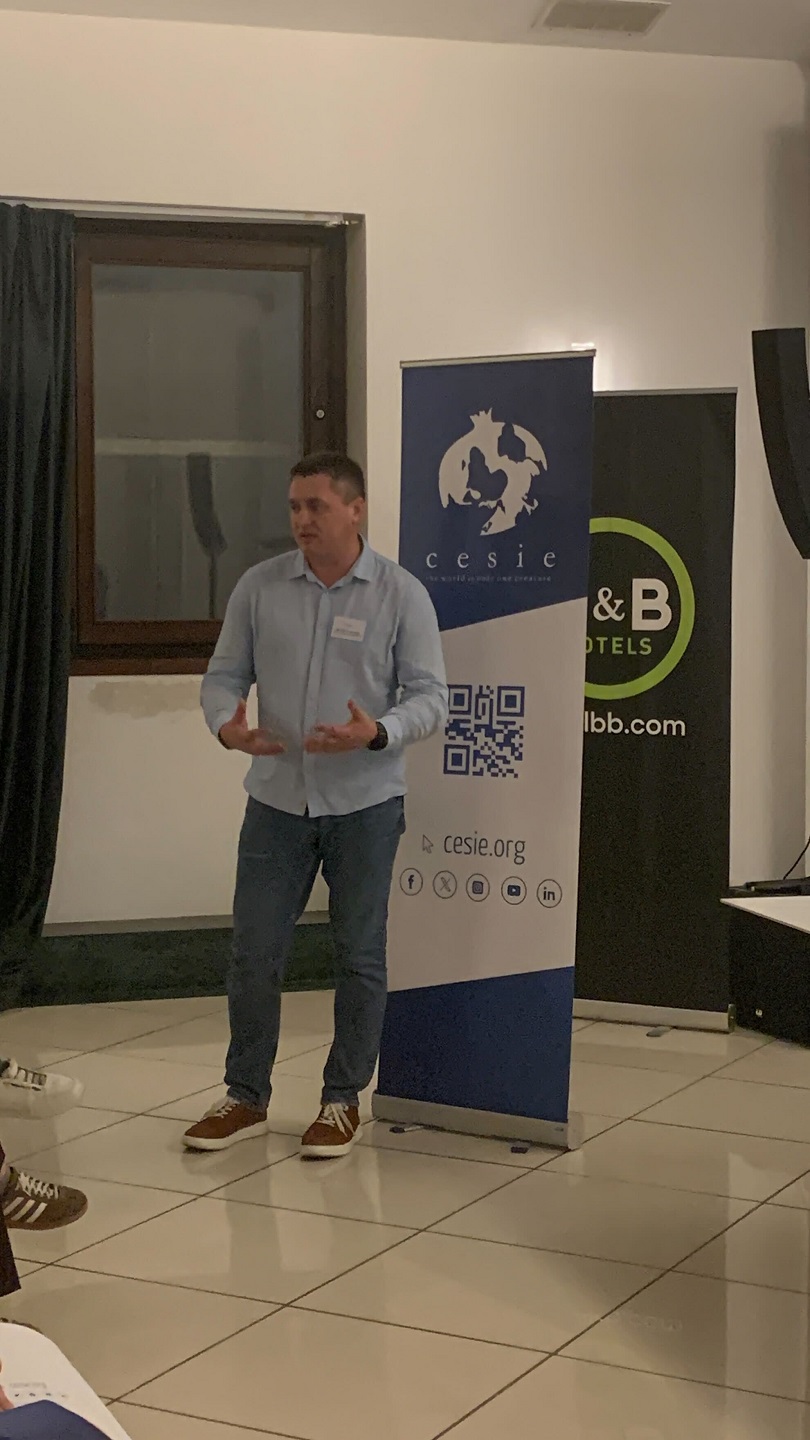
SumDU was represented by Dmytro TSYHANIUK, PhD in Economics, Director of the Human Resources and Academic Staff Development Department and thematic lead of the Promoting Academic Freedom in Ukraine (FreeAc) project, alongside Alla KRASULIA, PhD in Pedagogy, Head of the International Relations Office. At SumDU's invitation, the stakeholder meeting also welcomed Dmytro SHERENGOVSKY, PhD in Political Science, Vice-Rector for External Relations and Public Service at the Ukrainian Catholic University, and Inna KOBLIANSKA, PhD in Economics, Head of the Department of International Economic Relations at SumDU. The meeting was further enriched by the participation of Vitaliy NOSOK, Head of the Expert Group on Technological Development at the Directorate of Higher and Adult Education of the Ministry of Education and Science of Ukraine, whose involvement broadened the expert dialogue and brought a cross-institutional perspective to the discussions.
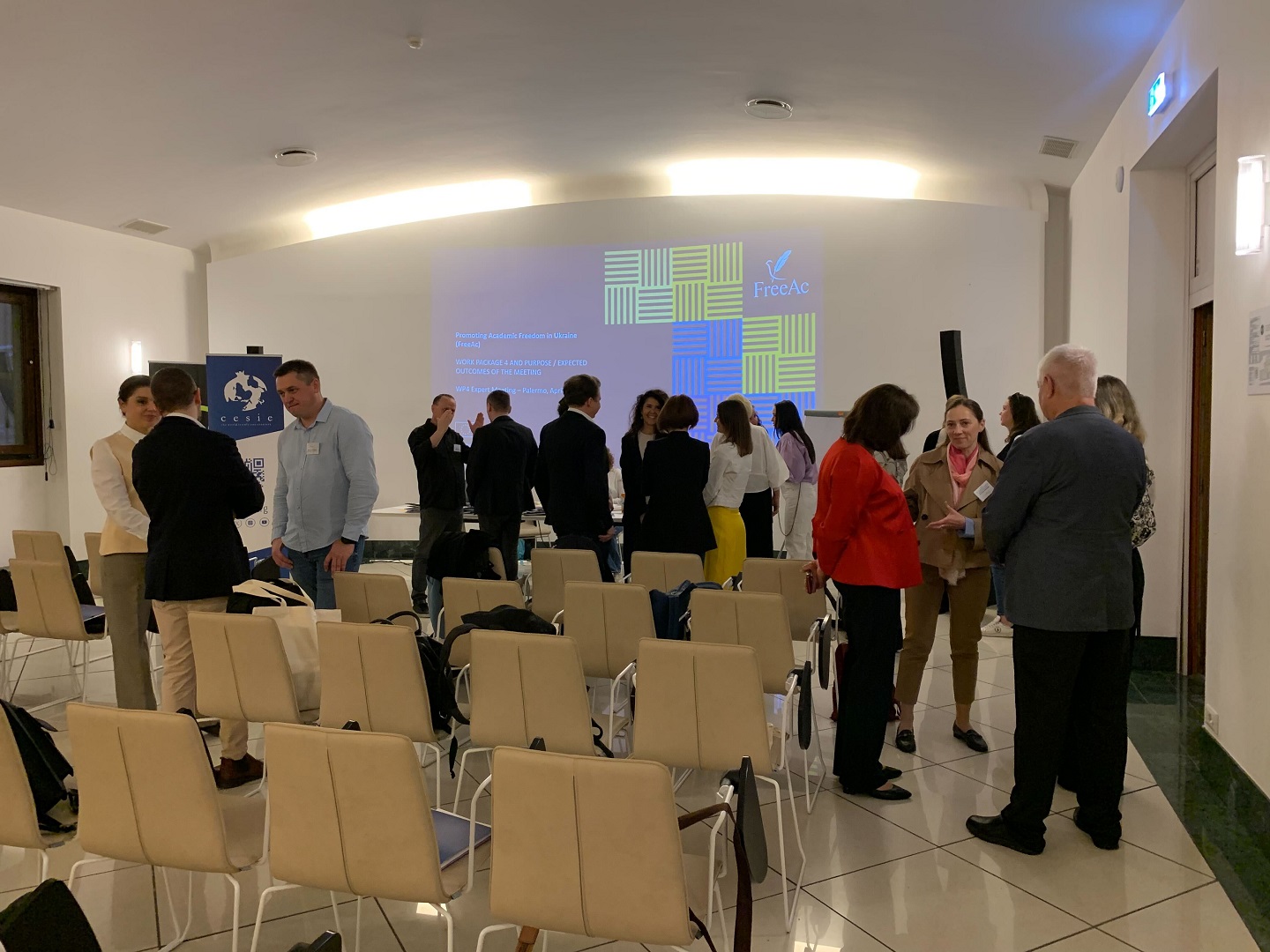
The Palermo meeting was designed as a strategic laboratory within Work Package 4 of the FreeAc project, focused on developing a Strategic Outlook – a long-term vision for the recovery of academic freedom in Ukrainian higher education. Rather than following a traditional conference format, the event centred on collaborative analysis of research findings and their translation into concrete policy and governance recommendations.
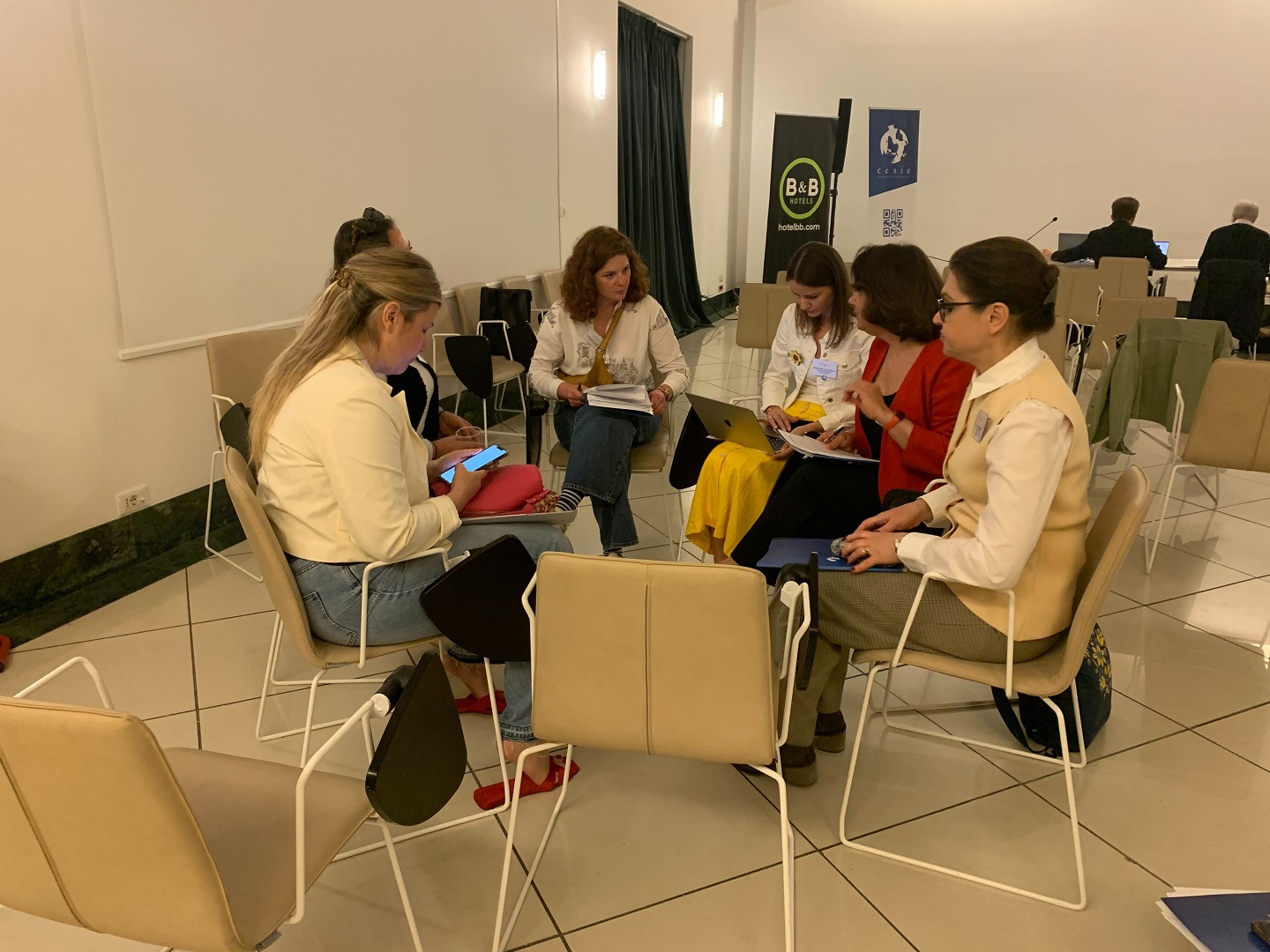
Findings presented during the meeting highlighted the profound transformations that Russia's full-scale war against Ukraine has inflicted on the higher education sector: infrastructure destruction, mass displacement of students and staff, severe restrictions on mobility and international cooperation, financial instability, and mounting pressure on academic freedom. Participants worked in thematic focus groups on brain drain and mobility, academic freedom and governance, European integration and quality assurance, and institutional resilience and financial sustainability.
Dmytro TSYHANIUK contributed to the group focused on institutional resilience and sustainable university financing under crisis conditions. "Participating in the FreeAc Expert Meeting gave us the opportunity not only to share our own experience of running a university during wartime, but also to place that experience within a broader European context. It was equally important to hear the Ministry of Education and Science of Ukraine's perspective on the challenges surrounding financial autonomy for universities under martial law, and the directions for further higher education reform. The proposals and recommendations developed during the meeting will serve as a basis for concrete next steps at both the institutional and national levels," he noted.
Alla KRASULIA joined the focus group on brain drain and mobility, working alongside international partners to analyse the risks of temporary displacement evolving into long-term loss of human capital. "Our task today is to reframe brain drain – not as a loss, but as a potential for development. This means shifting from a one-way outflow of talent to brain circulation, where mobility becomes a two-way exchange of knowledge, experience, and opportunity. Only by creating the right conditions for return, collaboration, and active participation of Ukrainian scholars in international academic communities can we turn academic mobility into a mutually beneficial process for everyone involved," she said.
The invited experts also made significant contributions to the discussions. Dmytro SHERENHOVSKYI worked within the European Integration and Quality Assurance stream. "The war has shown that academic freedom can no longer be treated as a purely internal university matter. In the Ukrainian context, it has become an indicator of democratic resilience and an integral part of the European integration process. For the European Union, it is now critically important not only to support the physical reconstruction of Ukrainian universities but to preserve Ukraine's human, intellectual, and scientific potential as a future part of the European education and research area. At the same time, the war has raised a far broader question for Europe: Is the European model of higher education prepared for prolonged crises? Ukraine is effectively developing a kind of 'Plan B' for the European Higher Education Area – with new approaches to academic resilience, quality assurance, mobility, and governance under conditions of systemic disruption. Paradoxically, it is the Ukrainian experience that may become one of the key sources for rethinking how European universities should operate in a world of persistent instability. This is precisely why the FreeAc project matters — not merely as a platform for educational analysis, but as a space where a long-term vision is being shaped for how to reconcile security resilience, institutional autonomy, and European governance standards," he emphasised.
Inna KOBLIANSKA joined the Academic Freedom and Governance focus group, bringing her own expertise and cross-institutional perspective to the table. Reflecting on the impact of wartime restrictions on academic freedom in Ukraine, she observed: "Academic freedom is not a sector-specific concept – it is deeply intertwined with academic integrity, and therefore with the value foundations of societal development. Constraints on academic freedom thus narrow a country's long-term development potential, particularly its knowledge, scientific, and civic dimensions. While acknowledging that certain restrictions are necessary on security grounds, we must remain alert to the risk of such restrictions becoming normalised well beyond the period of crisis."
It is worth noting that the meeting took place in Palermo – the very city where, in 2025, rectors and university presidents of the FORTHEM alliance signed a declaration in defence of academic freedom. In this sense, the FreeAc discussions served as a natural continuation of the broader European dialogue on the role of universities in upholding democratic values and academic autonomy.
SumDU's participation in this event is also consistent with the university's institutional commitment to academic freedom. Shortly before the meeting, SumDU adopted its own Academic Freedom Protection Policy – one of the rare examples in Ukraine where this value is not merely declared but enshrined in a dedicated institutional document. According to monitoring conducted by the FreeAc team, only about 8 Ukrainian universities have developed similar policies, while at most institutions, academic freedom is either fragmentarily addressed or entirely absent from the public domain.
Sumy State University will continue to engage actively in international initiatives aimed at strengthening academic freedom, building partnerships, and shaping a resilient model of Ukrainian higher education in the face of enduring challenges.
#FreeAc #AcademicFreedom #ScholarsAtRisk #HigherEducation #StudentAdvocacy #EHEA #Ukraine #InternationalCooperation