 укр
укр  eng
eng 

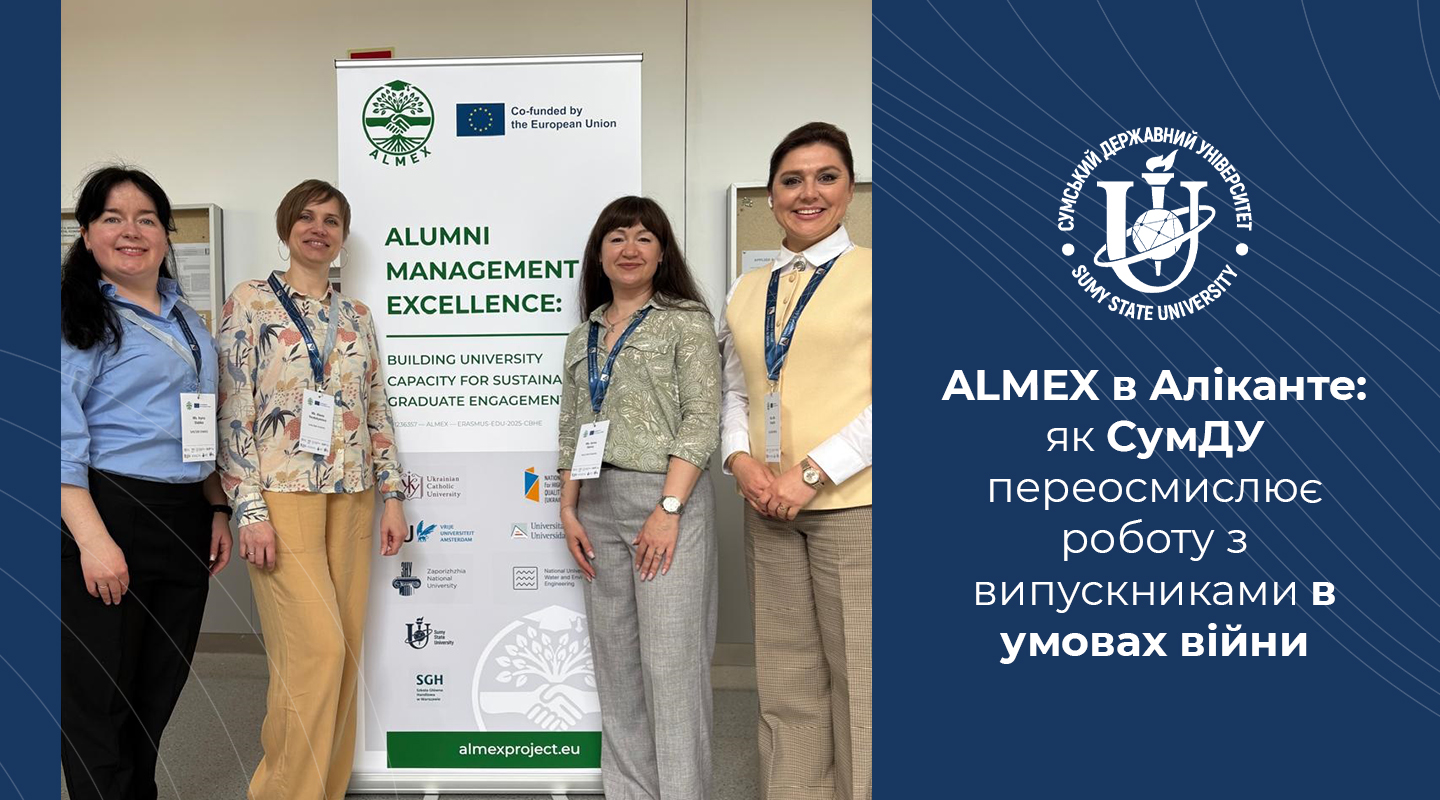
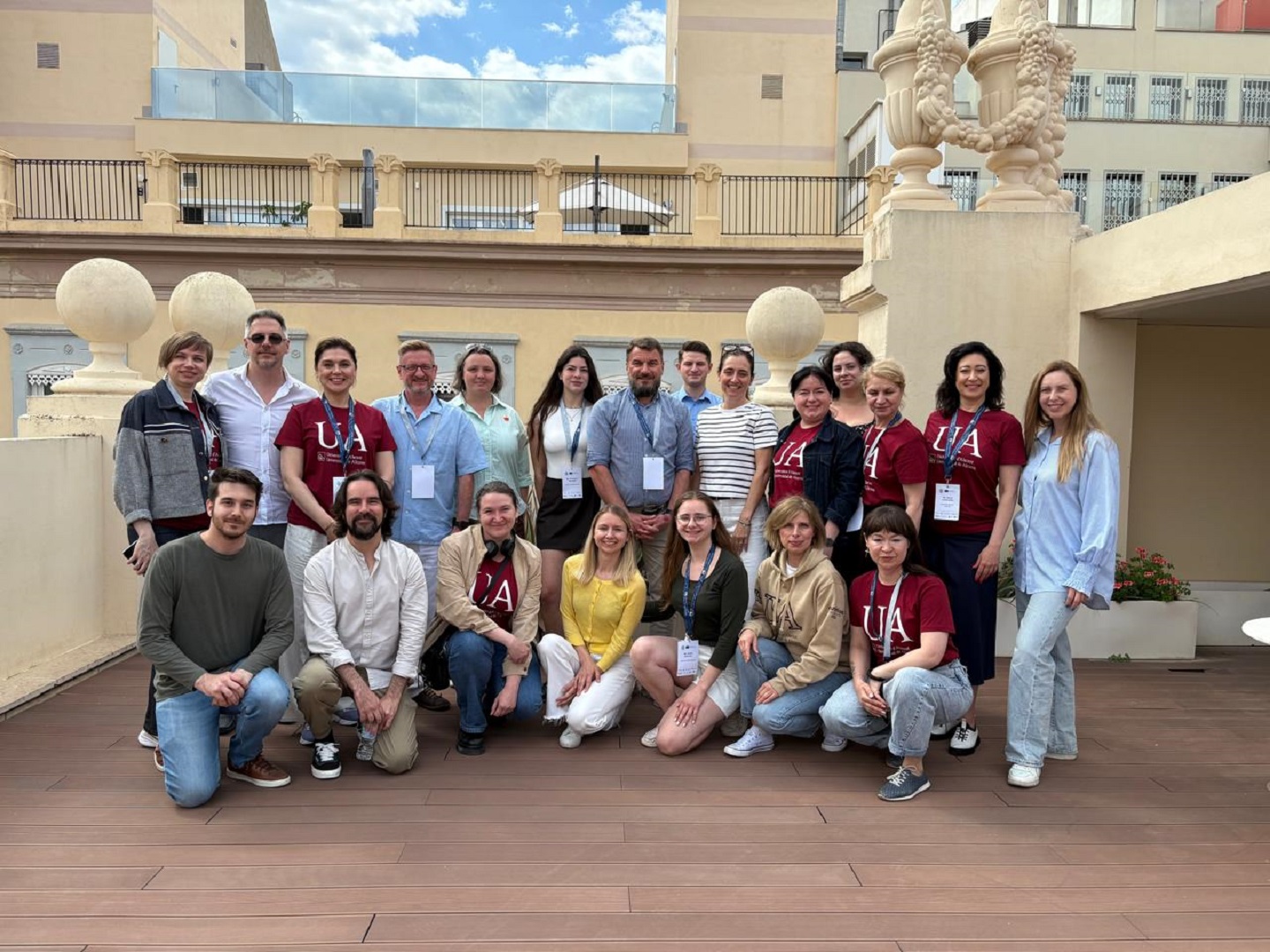
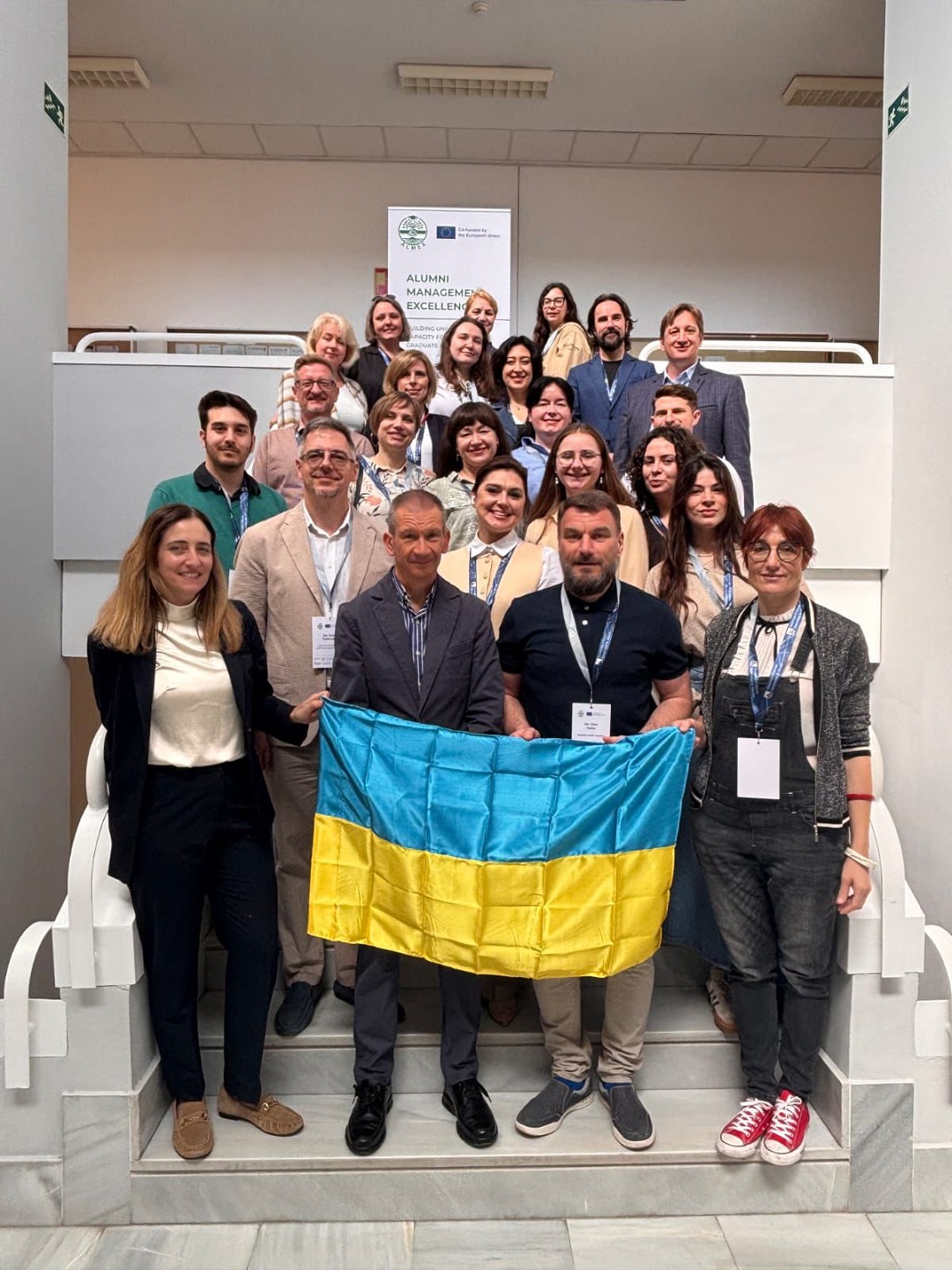
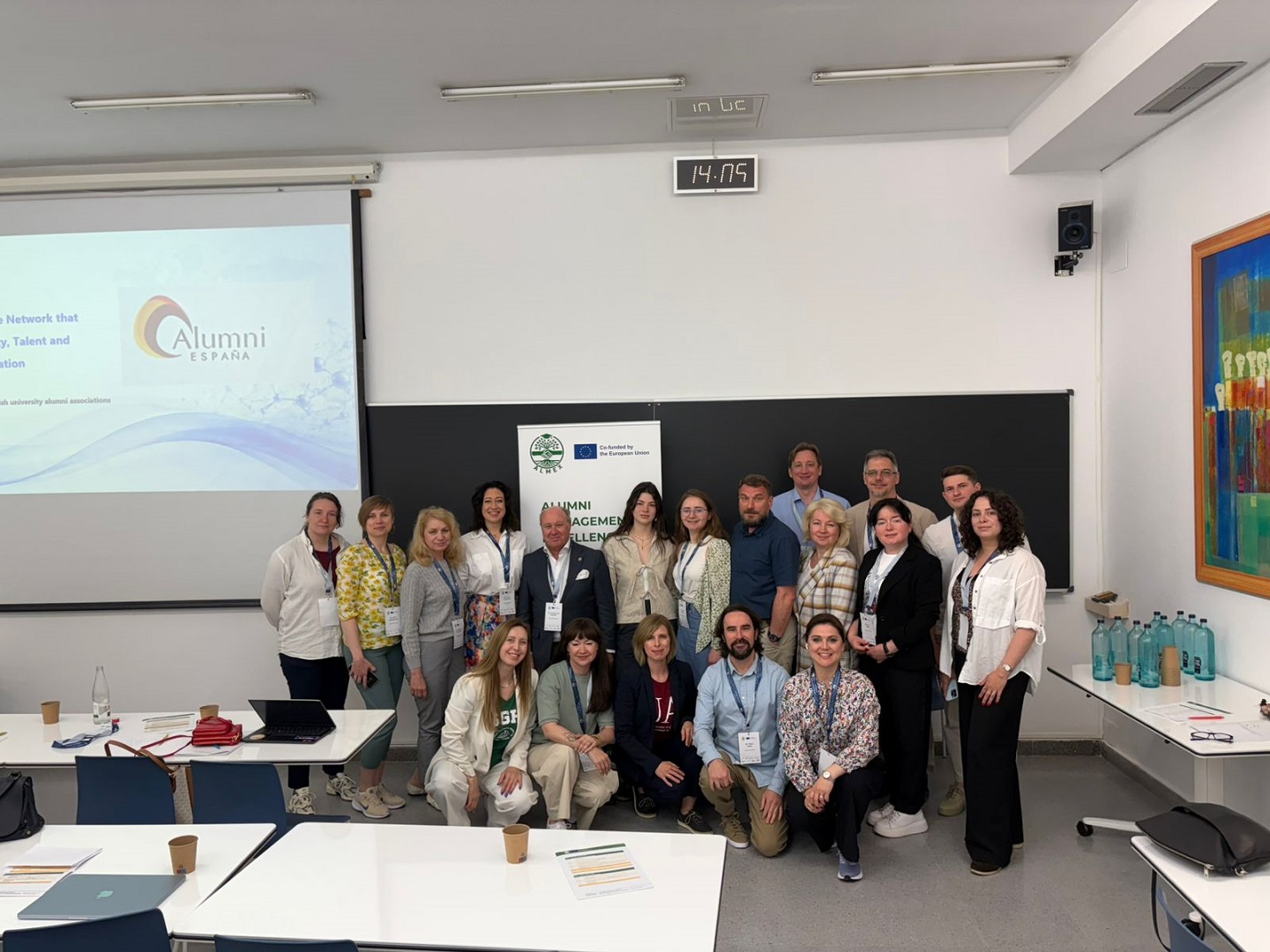
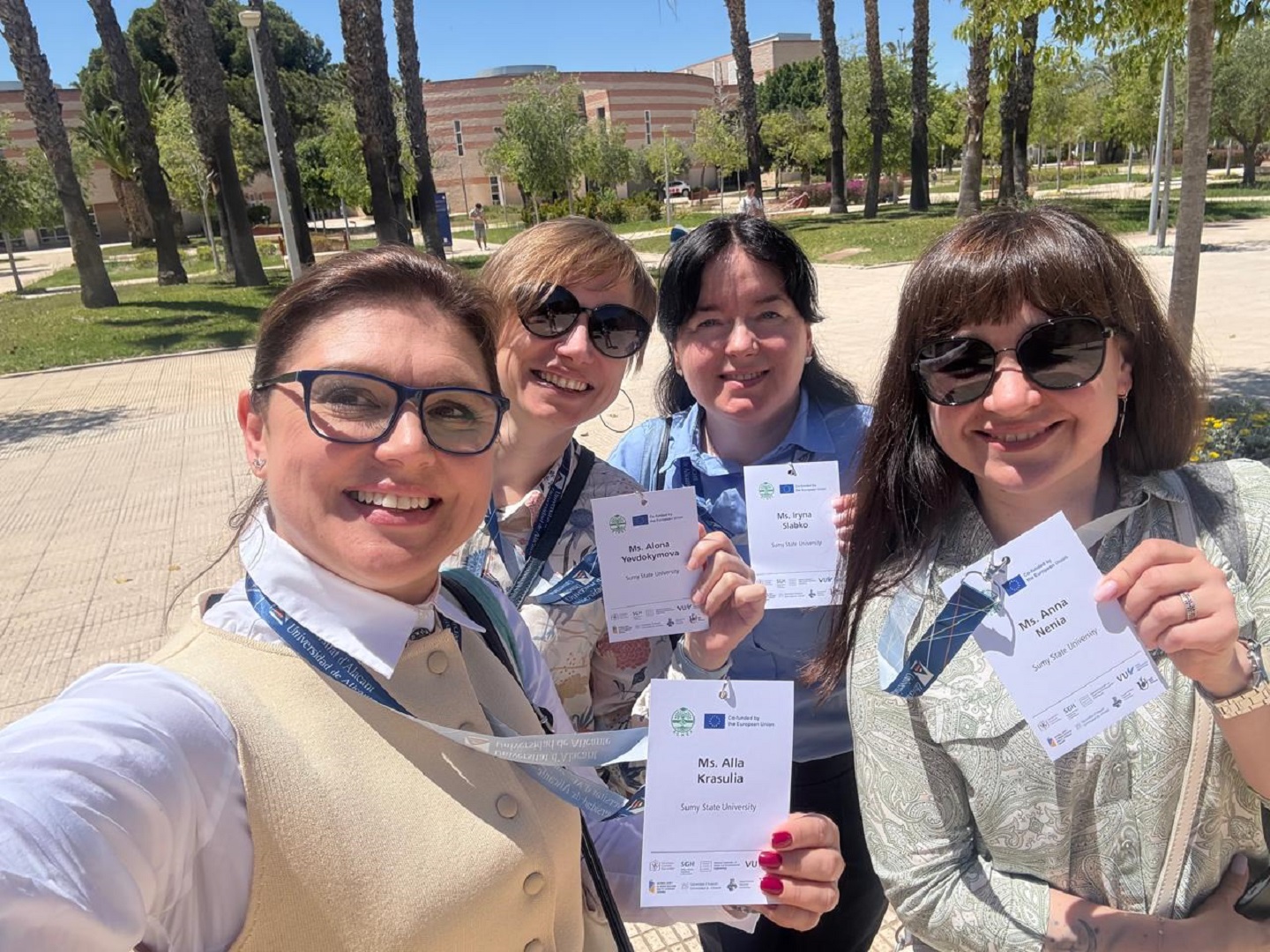
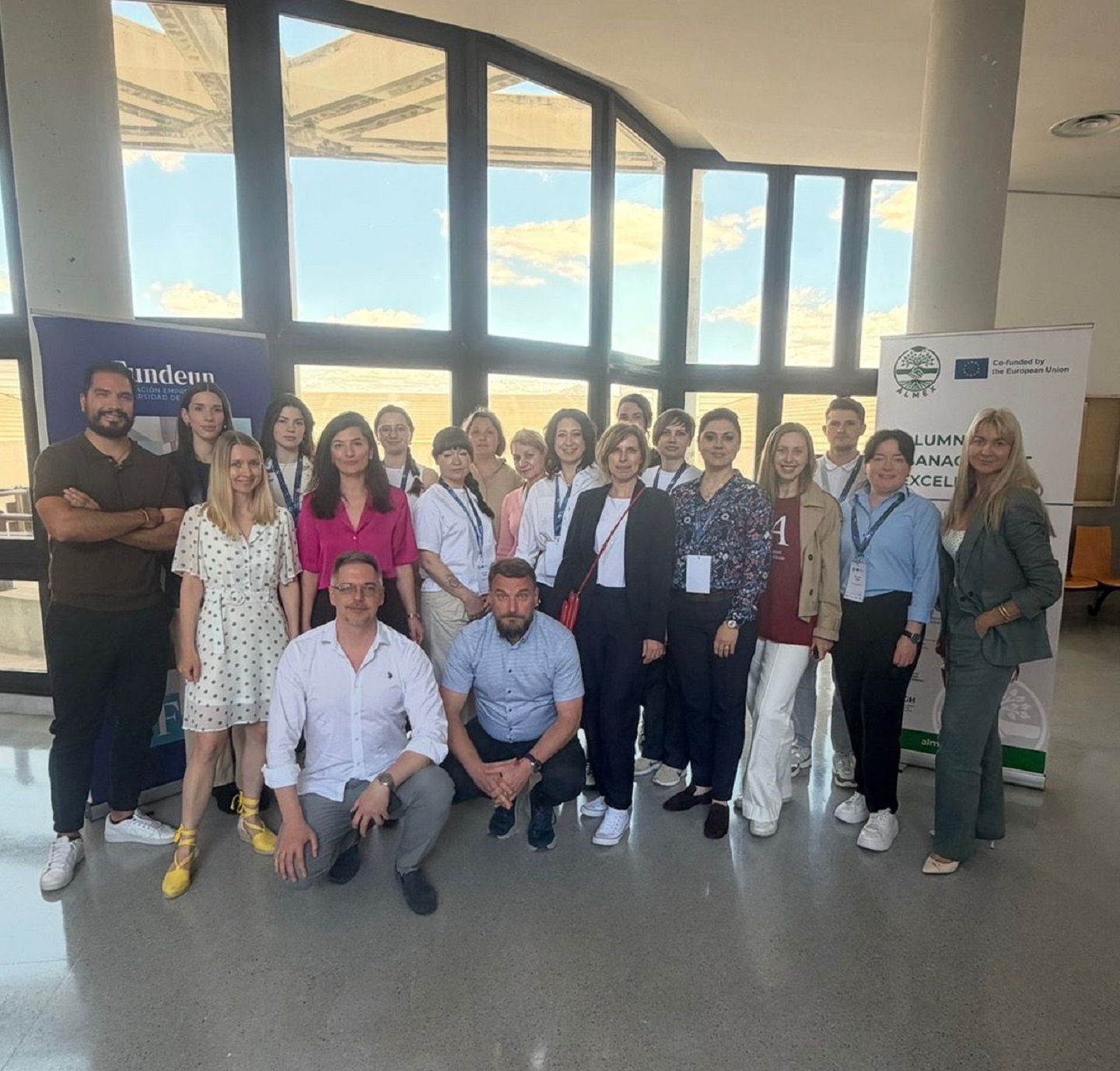
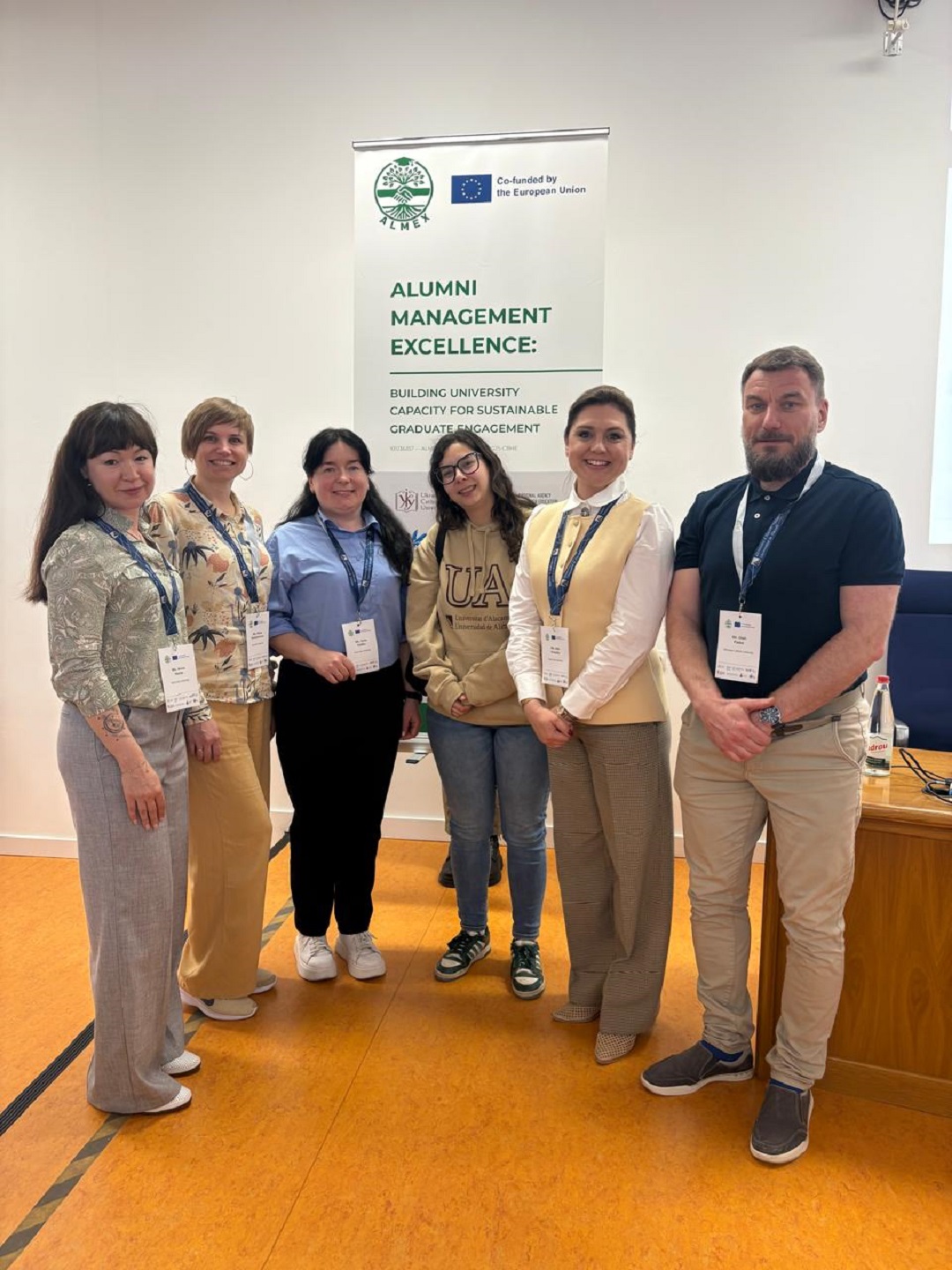
From 11 to 15 May 2026, a team from Sumy State University participated in the second study visit organised within the framework of the Erasmus+ CBHE project ALMEX – “Alumni Management Excellence: Building University Capacity for Sustainable Graduate Engagement” (101236357 ‒ ALMEX ‒ ERASMUS-EDU-2025-CBHE), hosted by the University of Alicante (Spain).
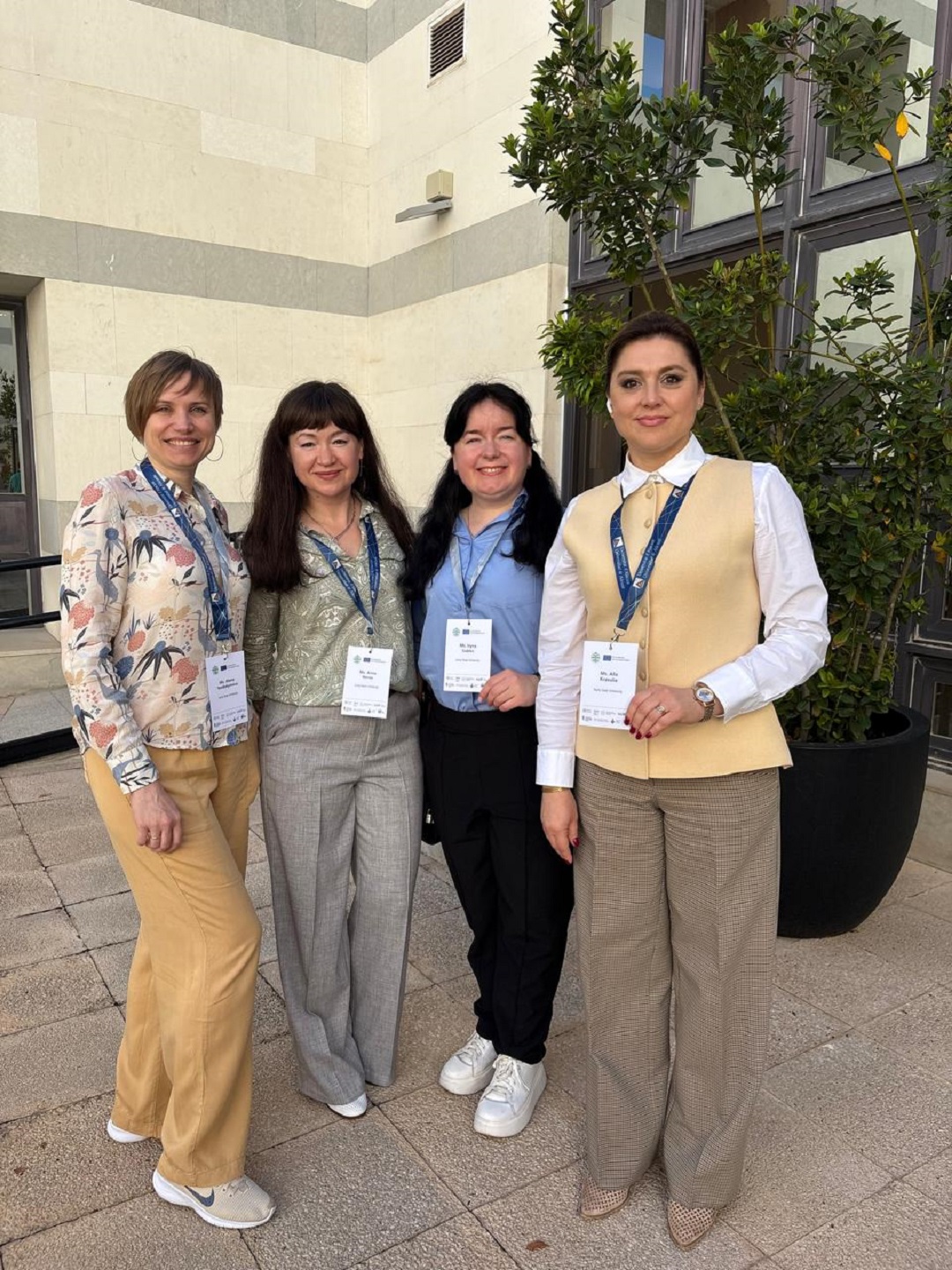
The SumDU delegation included Alla Krasulia, Head of the International Relations Office (PhD in Pedagogy); Alona Yevdokymova, Head of the Practice and Employer Relations Unit, Associate Professor at the Oleg Balatskyi Department of Management (PhD in Engineering); Anna Nenia, Head of the Department of Information Technologies, Associate Professor (PhD in Engineering); and Iryna Slabko, Head of the General Administration and International Protocol Unit of the International Relations Office.
The study visit brought together representatives of ALMEX partner institutions, including the Ukrainian Catholic University, Zaporizhzhia National University, the National University of Water and Environmental Engineering, SGH Warsaw School of Economics, and the National Agency for Higher Education Quality Assurance.
For SumDU, participation in ALMEX is particularly significant. As a frontline university that continues to teach, conduct research, develop international partnerships, and support its academic community despite the realities of war, SumDU sees alumni engagement not merely as communication with graduates but as a strategic resource for resilience, trust, and future development.
According to Alla Krasulia, Head of the International Relations Office, ALMEX is helping the university rethink the role of graduates as long-term strategic partners:
“For Sumy State University, ALMEX is not simply about creating an attractive alumni webpage or collecting contact databases. It is about changing the entire philosophy of alumni engagement. We want to move away from a model in which the university remembers its graduates only on anniversaries or formal occasions. Instead, we are building a living, systematic, mutually beneficial community where alumni can become mentors, experts, partners, donors, and ambassadors of SumDU both in Ukraine and internationally.”
She notes that the experience of the University of Alicante was particularly valuable because it demonstrated alumni engagement as part of a broader institutional strategy:
“In Alicante, we saw that alumni relations are not an isolated ‘additional activity’ but an essential element of university development. They are connected with employability, fundraising, international visibility, reputation, entrepreneurship, and even the emotional connection people maintain with their university. For SumDU, which currently operates under constant security threats, this is especially important: our graduates can become a network of support, trust, and advocacy for the university.”
A major focus of the programme was employability, career support, and cooperation with employers. Participants explored the practices of the University of Alicante’s Labour Market Observatory and Employability Orientation Unit, as well as partnership cases involving NTT Data and Caja Rural Central.
For Alona Yevdokymova, who coordinates internships and employer relations at SumDU, this part of the programme was among the most practically relevant:
“It was extremely important for me to see how a university can integrate alumni, students, and employers into one coherent institutional system. A graduate is not simply someone who has completed their studies. They can become a potential employer, mentor, internship partner, invited speaker, or someone who helps students better understand the professional environment.”
She emphasises that, for a frontline university, this model has not only a career-oriented but also a social dimension:
“Our students study under very difficult circumstances. They need to see real professional trajectories of people who graduated from SumDU and succeeded. Alumni mentorship can become an informal yet very powerful form of support. These are not abstract stories of success, but relatable experiences: ‘I studied here too, I know this university, and I can help you take the next step.’”
Another important dimension of the study visit was the digital transformation of alumni management. Participants discussed CRM architecture, data segmentation, communication funnels, GDPR compliance, and the ethical use of information in alumni relations.
Anna Nenia, Head of the Department of Information Technologies at SumDU, stresses that the digital component will be critical for the future implementation of ALMEX:
“A modern alumni community cannot be built solely on the enthusiasm of individual people or random social media interactions. It requires a digital infrastructure: databases, segmentation, clear communication scenarios, analytics, and data protection mechanisms. Only then can a university work with its graduates strategically rather than chaotically.”
According to Anna Nenia, this opens opportunities for SumDU to develop a more flexible and technologically advanced model of alumni engagement:
“We need to think not only about how to collect alumni contacts, but how to build a digital ecosystem of trust that accompanies graduates throughout their professional growth after university. Some may want to become mentors, others may support student projects, assist with employment opportunities, or contribute to the international promotion of the university. The task of the digital system is not merely to store data, but to help the university recognise and effectively engage the potential of its community.”
Participation in ALMEX also has a strong organisational and international dimension for SumDU. The visit to Alicante continued the trajectory initiated during the previous ALMEX study visit to Vrije Universiteit Amsterdam in March 2026, where the SumDU delegation explored European approaches to systematic alumni ecosystems, digital communication, and diaspora engagement.
Iryna Slabko, Head of the General Administration and International Protocol Unit, highlights the importance of institutional coordination and continuity:
“Such visits are important not only because they provide new knowledge. They help us understand how the entire system should function: who is responsible for communication, how processes are coordinated, how results are documented, and how partners agree on future steps. Successful project implementation requires not only ideas, but also clear procedures, teamwork, and a shared understanding of common goals.”
She adds that international projects are also a way for SumDU to maintain its visibility within the European academic space:
“When Sumy State University participates in initiatives like ALMEX, we are not simply learning from our partners. We demonstrate that Ukrainian universities ‒ even frontline ones ‒ remain active, professional, responsible, and development-oriented. This is an important signal both for our partners and for our own students and graduates.”
The programme at the University of Alicante covered a broad range of topics, including institutional models of alumni engagement, employability, inclusion, international alumni communities, lifelong learning, fundraising, digital alumni management, and graduate participation in university development. Special attention was paid to the Alumni UA programme, the organisation of the Alumni Gala, Mecenazgo UA practices, and discussions on engaging Ukrainian graduates abroad.
For SumDU, these directions already have practical implications. Within ALMEX, the university plans to develop its own alumni engagement model, introduce digital solutions, strengthen communication with graduates, expand mentoring formats, involve alumni in career and international opportunities, and foster a culture of long-term partnership between the university and its graduates.
Summarising the significance of the visit, Alla Krasulia noted:
“For us, it is important that ALMEX does not end with reports, meetings, and study visits alone. Its true value lies in changing practices within the university itself. SumDU has a very strong alumni community ‒ in Ukraine, across Europe, the United States, and beyond. Our task is not simply to find these people, but to create a space where they feel that their connection with SumDU did not end once they received their diploma.”
The ALMEX project is funded by the European Union and aims to strengthen universities’ capacity for sustainable alumni engagement. For Sumy State University, participation in the project forms part of a broader strategy focused on institutional resilience, internationalisation, and the development of the university community in times of war.
Follow the project updates on the official website and social media channels.
Instagram: https://www.instagram.com/almex_eu/
#SumDU #almex_alumni #ErasmusPlus #CBHE #AlumniRelations #AlumniEngagement #InternationalCooperation #HigherEducation #UniversityPartnerships #EuropeanExperience #StudyVisit #VUAmsterdam
FUNDED BY THE EUROPEAN UNION. Views and opinions expressed are, however, those of the author(s) only and do not necessarily reflect those of the European Union or European Education and Culture Executive Agency. Neither the European Union nor the granting authority can be held responsible for them.