 укр
укр  eng
eng 

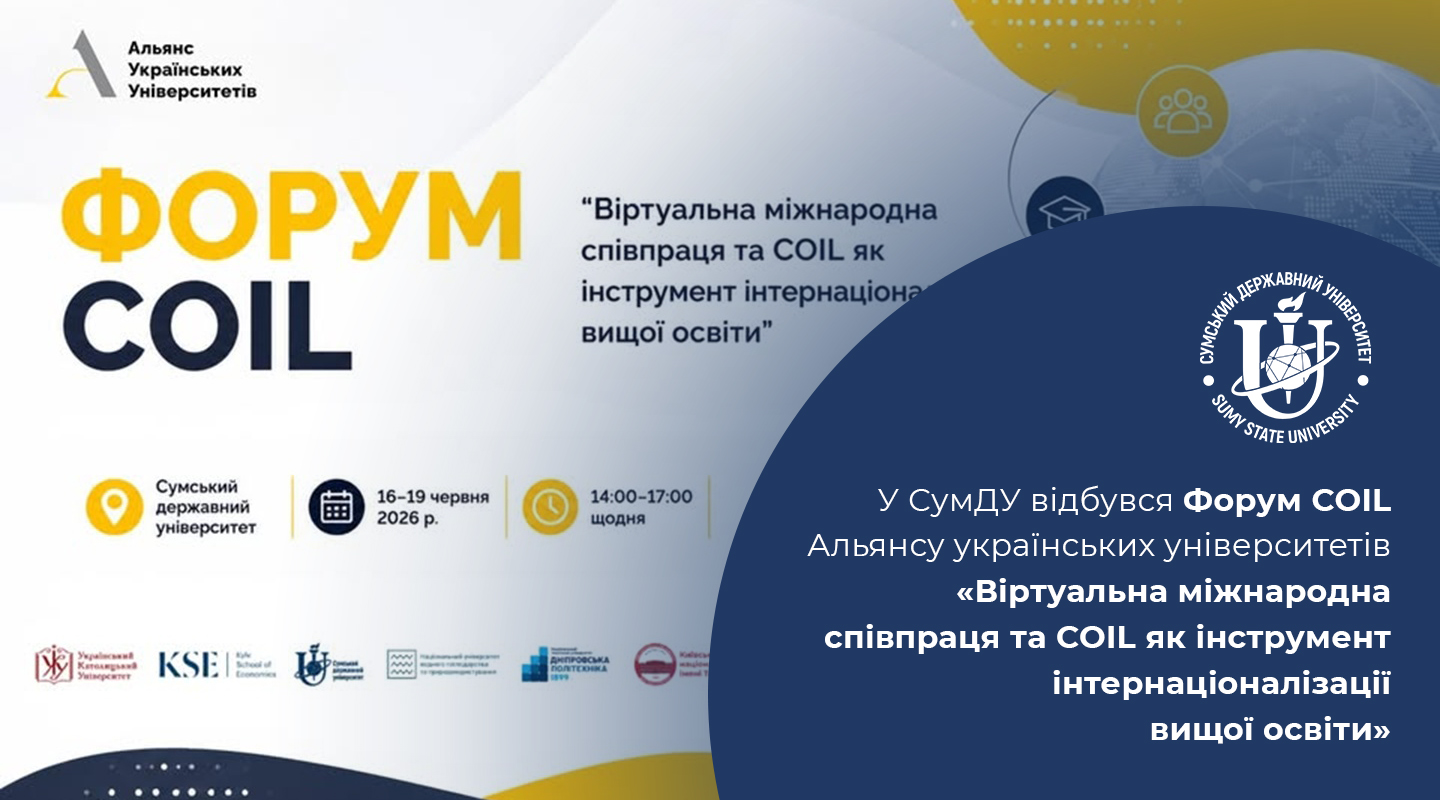
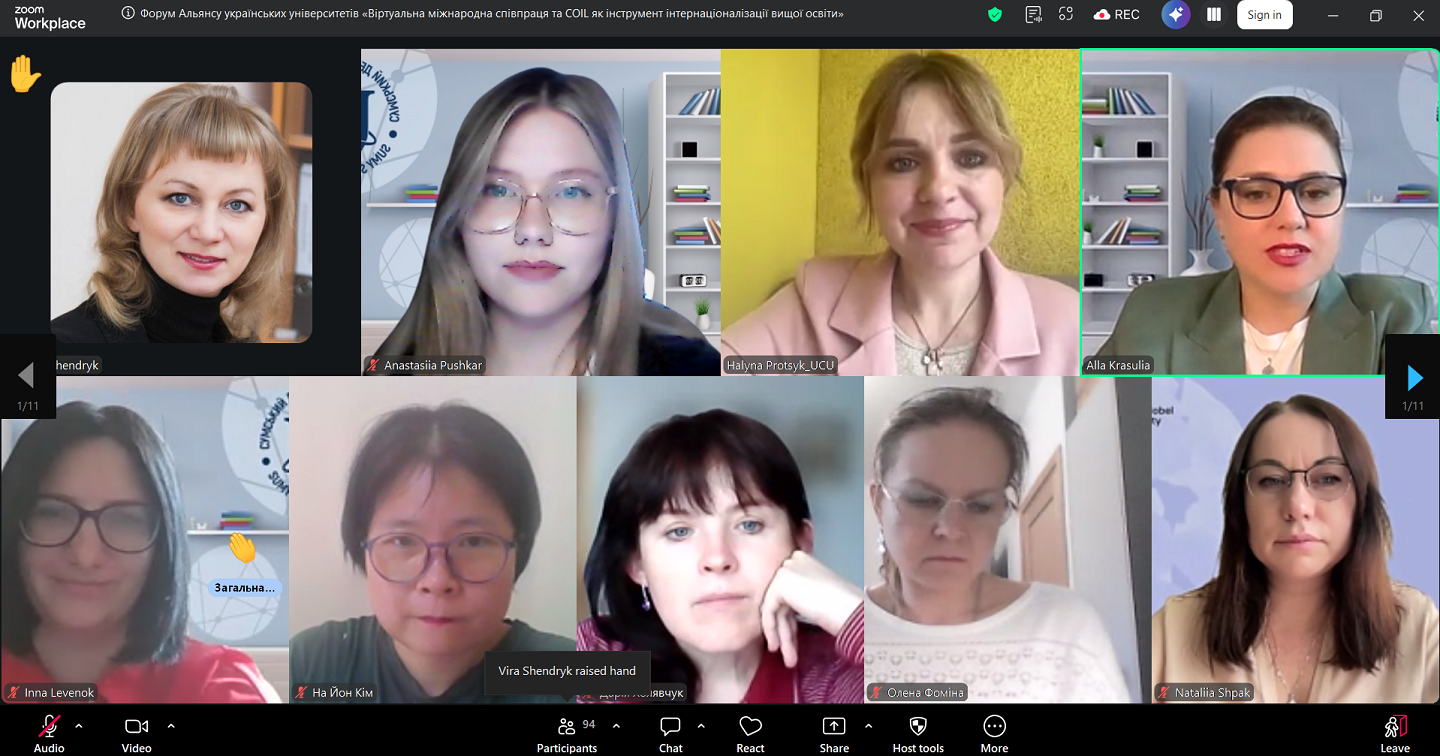
From 16 to 19 June 2026, Sumy State University hosted the COIL Forum of the Alliance of Ukrainian Universities (AUU) entitled "Virtual International Collaboration and COIL as a Tool for the Internationalisation of Higher Education."
As the chairing institution of the Alliance of Ukrainian Universities for the 2025–2026 academic year, SumDU's hosting of the Forum marked a natural continuation of the Alliance's efforts to strengthen Ukraine's COIL community and advance virtual international collaboration.
The Forum represented the third major milestone of the "AUU Global Synergy through COIL" initiative. The first professional development programme was launched in 2024 at the Ukrainian Catholic University, where the foundations of the Ukrainian COIL community were established, and the first cohort of educators was trained to integrate Collaborative Online International Learning into their courses. In 2025, the initiative continued at Taras Shevchenko National University of Kyiv through the second edition, AUU Global Synergy through COIL 2.0. Hosted by Sumy State University in 2026, the Forum became the next step in this trajectory, bringing together an already well-established professional COIL community to exchange best practices, discuss institutional models, and shape a shared vision for the future of virtual international collaboration in Ukraine.
The Forum brought together more than 200 participants, including representatives of Ukrainian universities, international offices, academic staff, researchers, students, educational administrators, and international partners. Over the course of four days, participants explored practices of Collaborative Online International Learning (COIL), virtual academic mobility, curriculum internationalisation, recognition of learning outcomes, and sustainable institutional models for virtual international collaboration.
Held entirely online, the Forum followed an Open Door Policy, allowing participants to join individual days or thematic sessions regardless of whether they had attended previous sessions. This flexible format encouraged broader participation and enabled educators to engage with topics most relevant to their professional interests.
COIL as a Tool for Accessible International Education
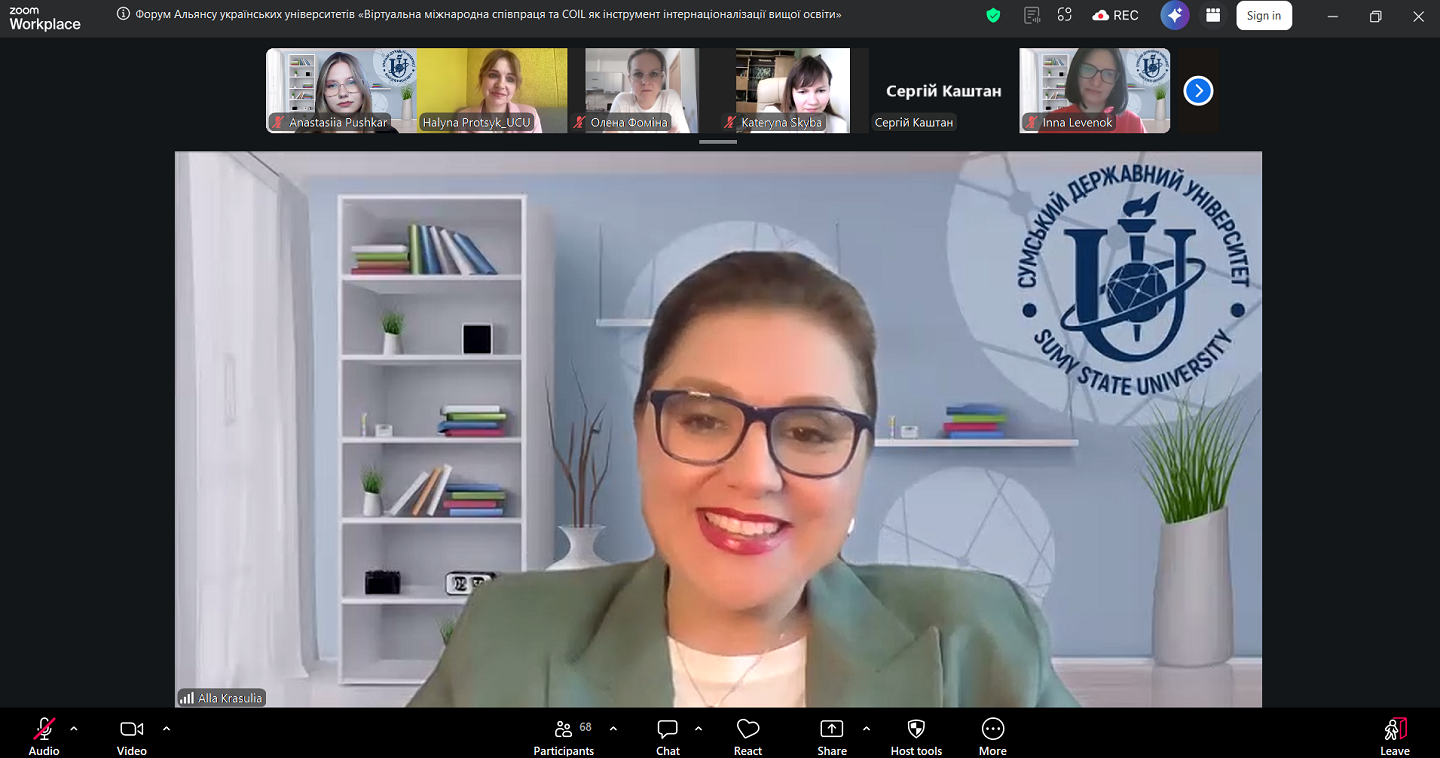
Opening the Forum, Alla Krasulia, PhD in Pedagogy, Associate Professor, Head of the International Relations Office at Sumy State University, and the Forum moderator, highlighted the growing importance of virtual mobility and Collaborative Online International Learning (COIL) for Ukrainian higher education institutions in the context of the full-scale war. She emphasized that these approaches enable students and faculty to gain meaningful international experience regardless of their ability to participate in physical mobility.
"Today, COIL is much more than an educational methodology. It is a way of maintaining our connection to the global academic community, even when physical borders, security challenges, or other circumstances limit traditional mobility. Accessibility, inclusiveness, and equal opportunities are what make this format especially valuable for Ukrainian universities," said Alla Krasulia.
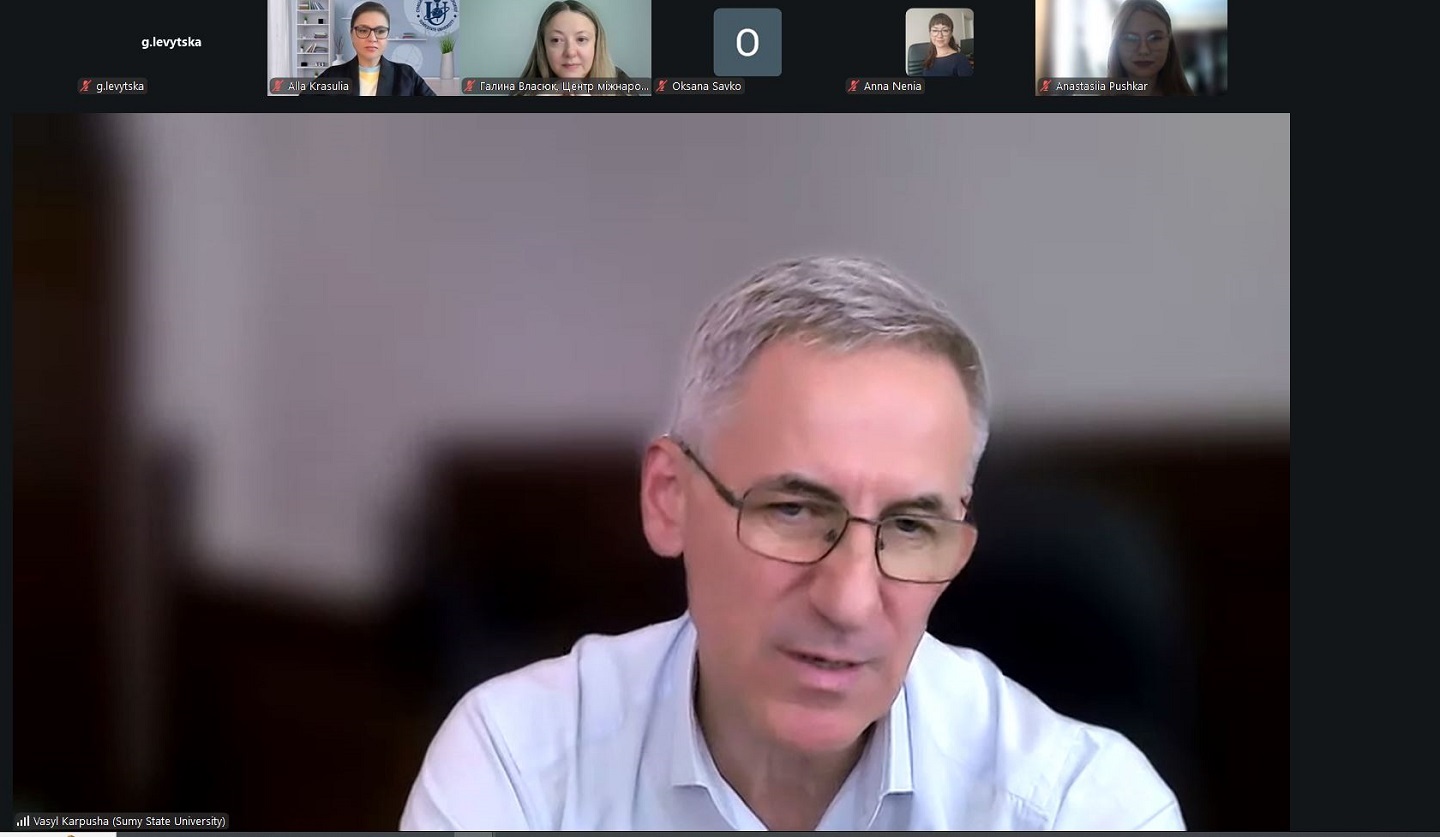
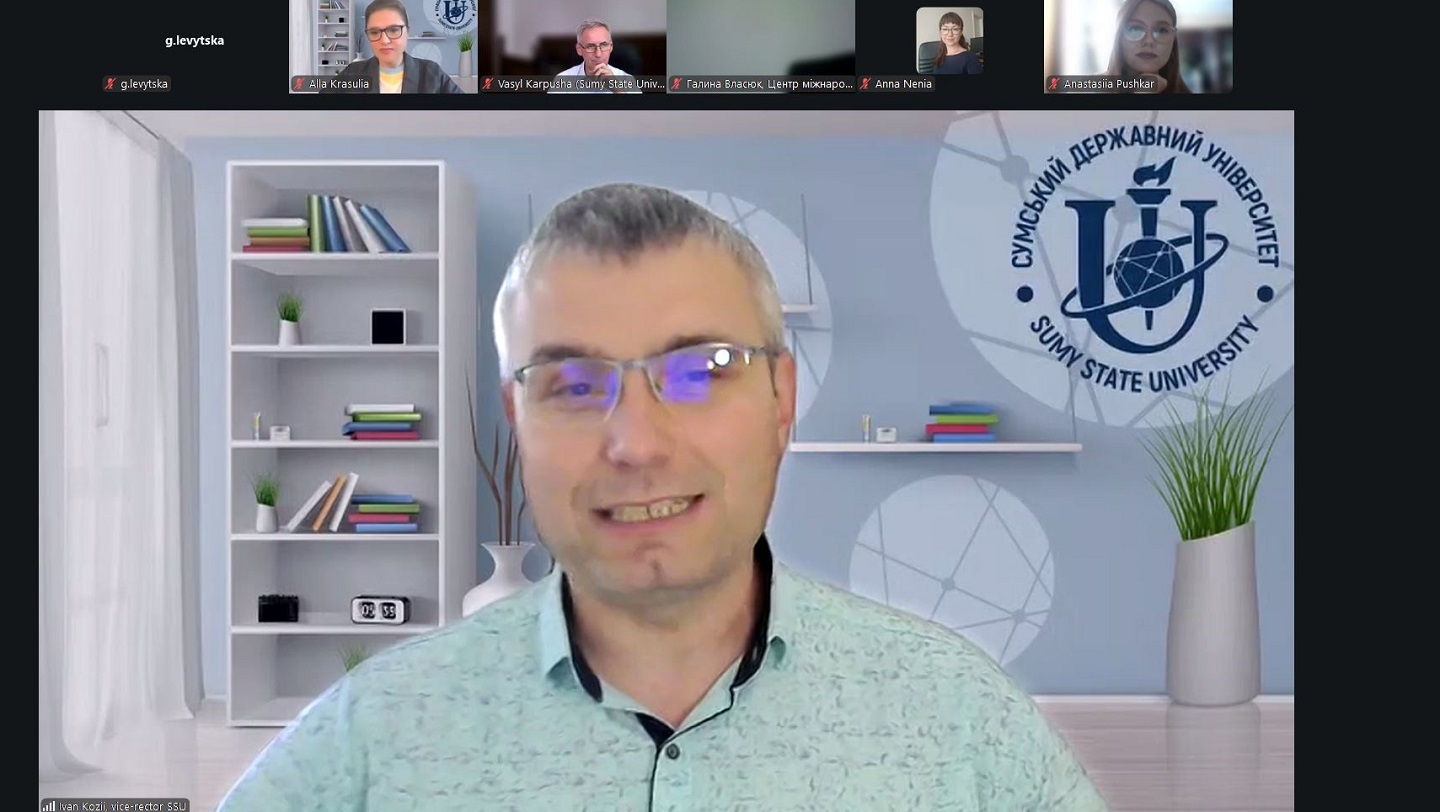
The Forum was officially opened by Vasyl Karpusha, Rector of Sumy State University; Ivan Kozii, Vice-Rector for Scientific and Pedagogical Work, who addressed participants on behalf of the Management Board of the Alliance of Ukrainian Universities; and members of the Alliance's International Working Group.
In his welcoming remarks, Rector Vasyl Karpusha stressed that the true value of COIL lies not only in the number of projects implemented but also in its systematic integration into the university's academic ecosystem.
"Our greatest achievement is not the number of COIL projects we have delivered or the number of students involved. It is the fact that we have built a comprehensive institutional system in which international online collaboration is embedded into educational programmes, supported by formal recognition of learning outcomes, credit transfer, and the inclusion of virtual mobility in students' official academic records. Virtual mobility is no longer an isolated initiative driven by individual enthusiasts – it has become an integral part of our university's academic ecosystem. This is what makes internationalisation accessible to every student, not only to those who have the opportunity to study abroad," he noted.
An International Perspective: Experiences from the Philippines, Brazil, Mexico, the United States, and Europe
The Forum's keynote address was delivered by Assoc. Prof. Filmor J. Murillo, Head of the Center for International Relations and Linkages at Camarines Sur Polytechnic Colleges (Philippines). In his presentation, "Breaking Boundaries: Harnessing Collaborative Online International Learning Virtual Exchange (COIL VE) for Equity and Inclusivity in Higher Education," he highlighted the role of COIL and Virtual Exchange as powerful tools for expanding access to international education, fostering inclusion, and promoting equitable global learning opportunities.
Professor Murillo also reflected on the long-standing partnership between Camarines Sur Polytechnic Colleges and Sumy State University, which has been developing since 2021. Through a series of COIL initiatives, international online forums, and collaborative learning projects, the partnership has brought together students and academics from Ukraine and the Philippines, creating meaningful intercultural learning experiences despite geographical distance.
"International collaboration is not defined by geography. It is defined by people who are willing to work together, learn from one another, and create new opportunities for their students," emphasized Filmor Murillo.
Throughout the Forum, participants also explored successful COIL partnerships involving universities from Brazil, Mexico, Bolivia, the United States, Poland, Germany, France, Italy, Switzerland, Cyprus, Türkiye, Croatia, and several other countries, illustrating the growing international reach of the Ukrainian COIL community.
SumDU: From Its First COIL Project in 2019 to a Comprehensive Institutional Ecosystem
A highlight of the Forum was the presentation of Sumy State University's institutional experience in developing Collaborative Online International Learning (COIL), delivered by Alla Krasulia, PhD in Pedagogy, Associate Professor, Head of the International Relations Office, and Tetyana Mayboroda, PhD in Economics, Associate Professor.
SumDU launched its first COIL project in 2019 in partnership with the University of Nebraska–Lincoln (USA). This initiative marked the beginning of the University's COIL journey and was among the earliest systematic implementations of Collaborative Online International Learning in Ukraine.
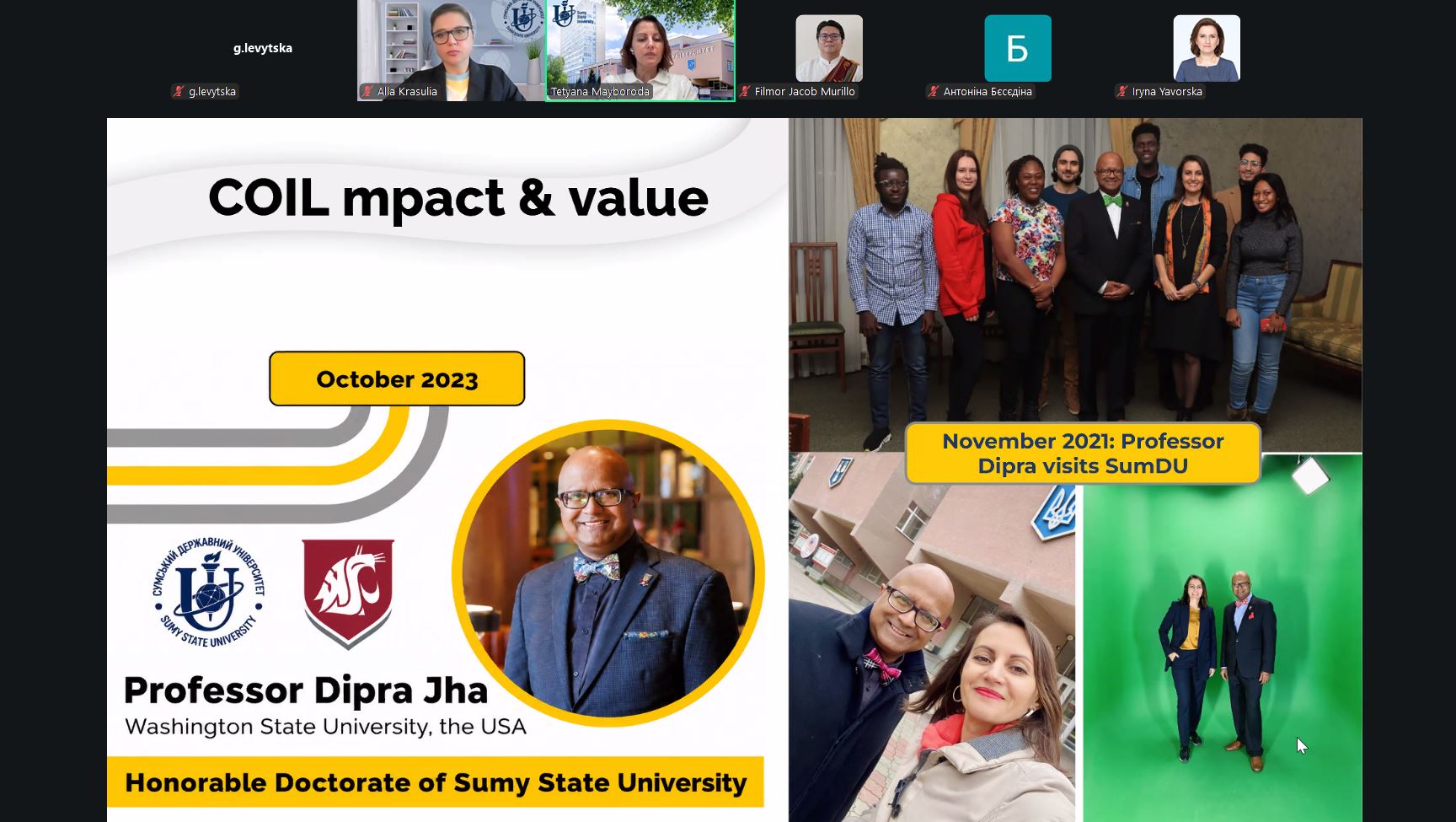
A pivotal role in this development was played by Professor Dipra Jha, who became not only a long-standing international partner of SumDU but also one of the leading advocates of virtual academic mobility and international online learning. Thanks to this partnership, the University introduced a series of Virtual Global Classes, faculty professional development programmes, and numerous COIL projects connecting students and academics from dozens of universities worldwide. In recognition of his outstanding contributions to advancing international education and promoting COIL in Ukraine, Sumy State University awarded Professor Jha the title of Doctor Honoris Causa in 2023. Two years later, he was named among the 100 Most Powerful People in Global Hospitality and Travel, further highlighting the strength and international impact of the partnership established with SumDU.
The presenters noted that 33 COIL projects were implemented at Sumy State University in 2025, engaging 40 faculty members and 620 students. The University's COIL partnerships now span more than 15 countries, including the United States, Canada, Colombia, Morocco, Finland, Türkiye, the Czech Republic, Poland, Slovakia, Lithuania, Latvia, Croatia, Lebanon, India, and Kazakhstan.
The presentation also illustrated the remarkable growth in student participation. While only 13 SumDU students participated in COIL projects in 2019, participation increased to 783 in 2023, 776 in 2024, and 620 in 2025. During the same year, 1,634 students from partner universities abroad participated in collaborative projects with SumDU.
The geographical reach and disciplinary diversity of COIL have expanded significantly as well. Today, COIL projects are integrated into programmes in management, international economics, law, journalism, Germanic studies, computer science, social work, engineering, applied mechanics, chemical technologies, and many other academic fields.
"At SumDU, COIL is no longer a story of individual enthusiasts. It has evolved into a comprehensive institutional process that includes partner identification, joint curriculum design, alignment of learning outcomes, academic recognition, credit transfer, integration into the national higher education database, and official recognition of students' virtual mobility. This is when international experience becomes an integral part of a student's educational pathway rather than an extracurricular opportunity," said Alla Krasulia.
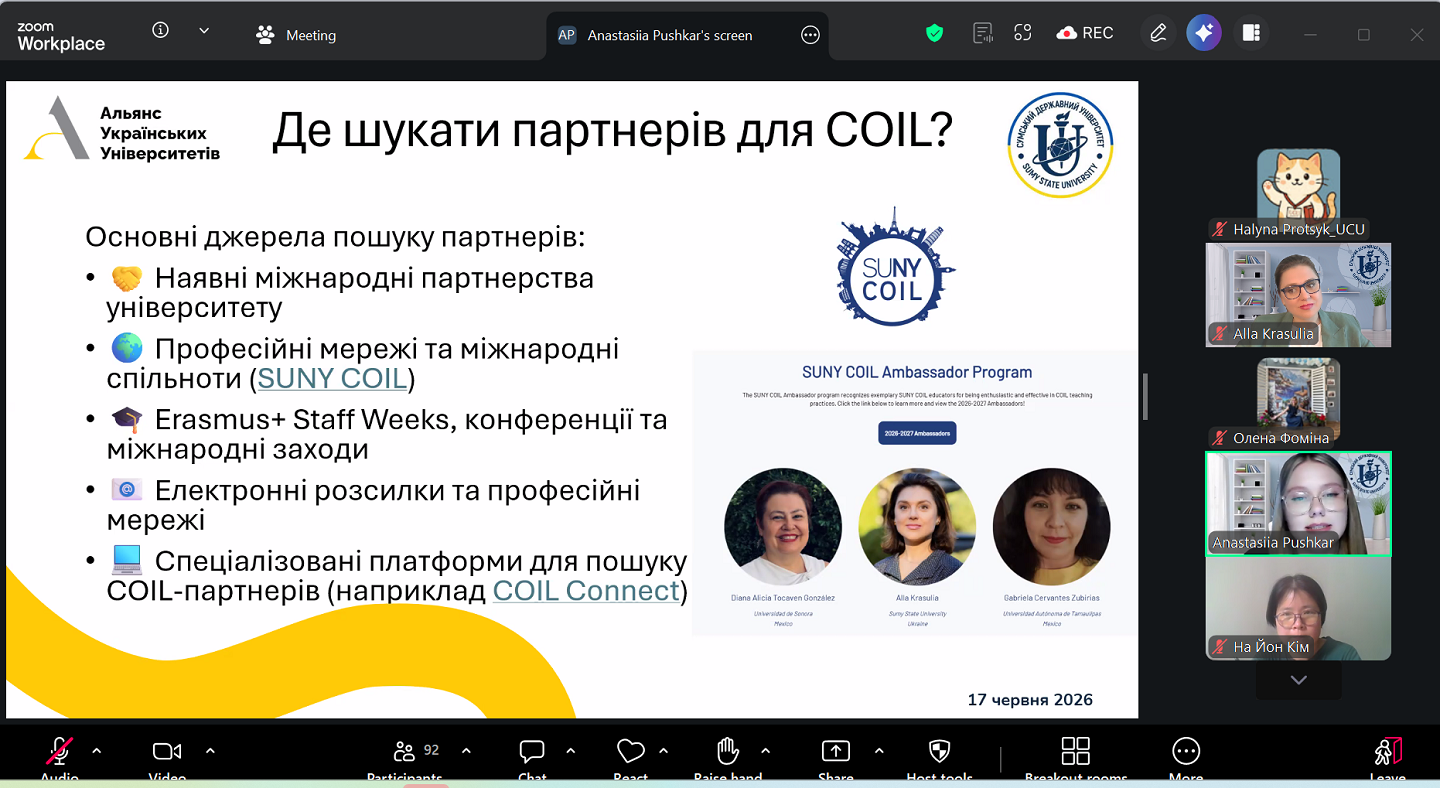
Another symbolic milestone coincided with the Forum. During the annual SUNY COIL Ambassadors meeting, Alla Krasulia was officially introduced as a SUNY COIL Ambassador for 2026–2027. The previous year, Tetyana Mayboroda had joined this prestigious international network. As a result, Sumy State University remains the only Ukrainian university represented in the SUNY COIL Ambassadors community for the second consecutive year, reaffirming its leadership in advancing Collaborative Online International Learning both nationally and internationally.
From Individual Courses to an Institutional Ecosystem: Experiences of Ukrainian Universities
The second day of the Forum focused on the institutional management of virtual mobility and COIL implementation.
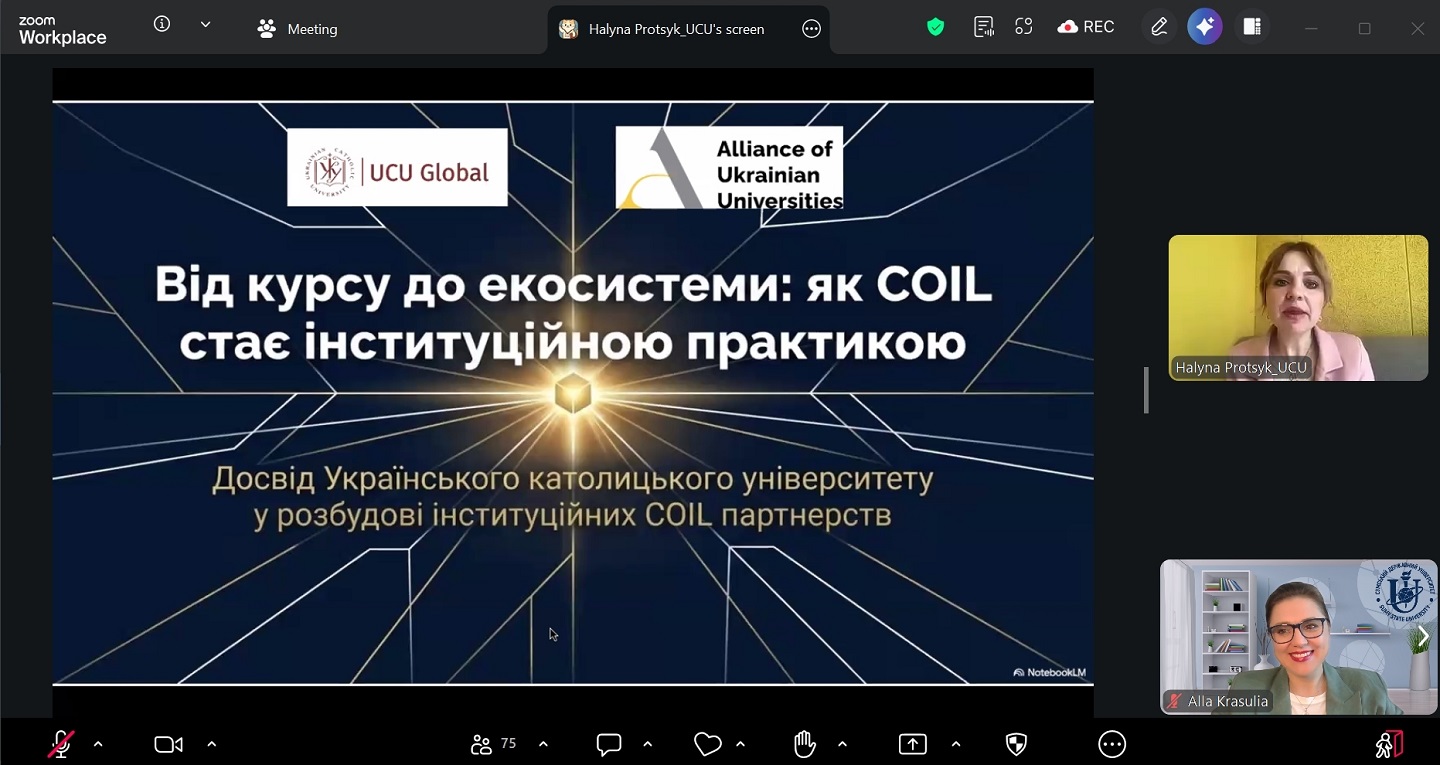
One of the keynote presentations was delivered by Halyna Protsyk, PhD in Political Science, Deputy Vice-Rector for Global Outreach and Social Engagement (Internationalisation) at the Ukrainian Catholic University (UCU), who presented "From a Course to an Ecosystem: How COIL Becomes an Institutional Practice of International Collaboration."
Drawing on the experience of the Ukrainian Catholic University, she demonstrated how COIL has evolved into a strategic instrument for internationalisation by combining faculty initiatives, institutional support, professional development, instructional design, and long-term international partnerships.
"COIL begins with a course, but it becomes an institutional practice only when it is supported by an ecosystem built on trust, partnerships, facilitation, faculty support, student engagement, and long-term collaboration," noted Halyna Protsyk.
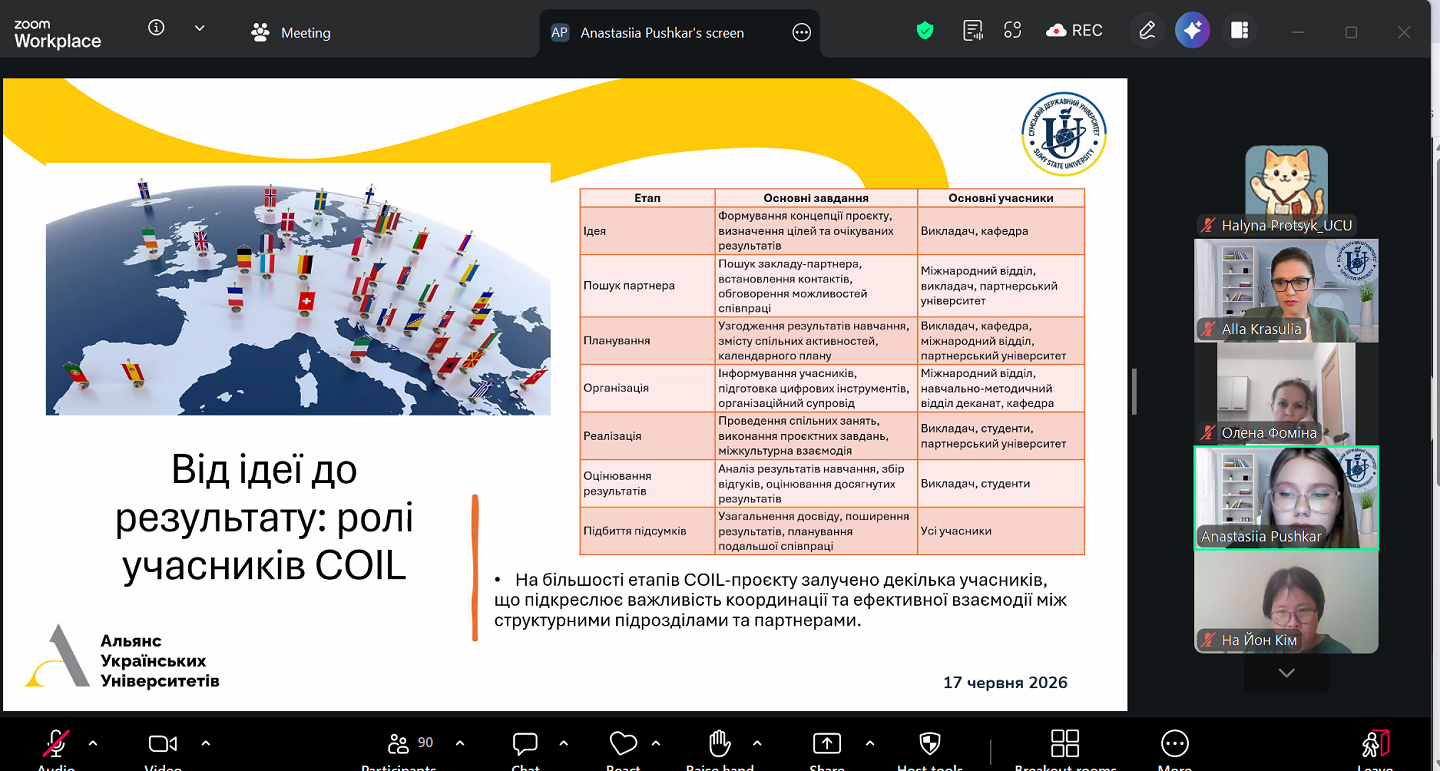
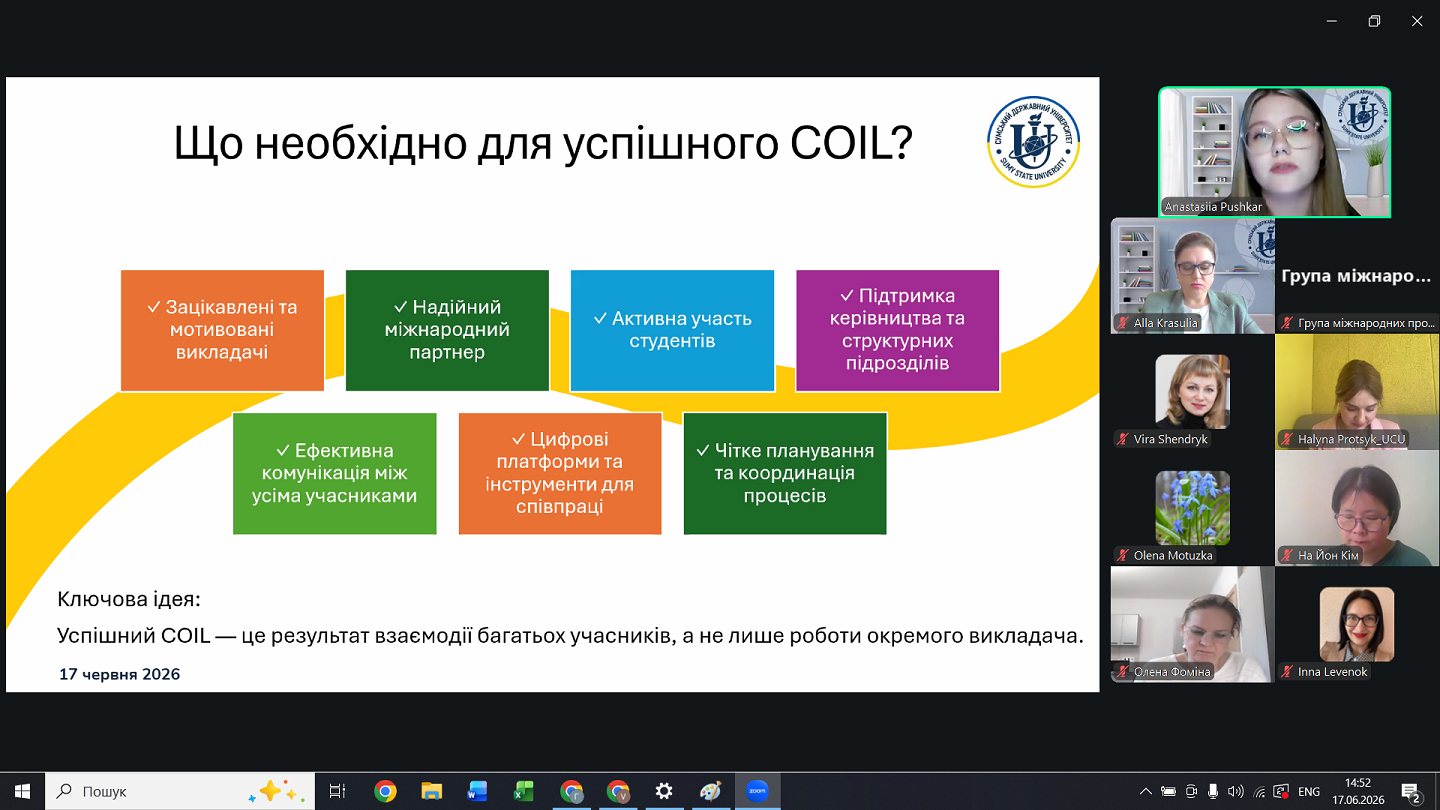
Representing Sumy State University, Anastasiia Pushkar, specialist at the International Relations Office, presented the University's institutional model for managing virtual mobility. Her presentation outlined the coordination of COIL initiatives, collaboration among administrative units, documentation procedures, academic recognition, quality assurance, and institutional support mechanisms. A hands-on workshop further guided participants through the entire COIL implementation process – from the initial idea and partner selection to the formal recognition of students' learning outcomes.
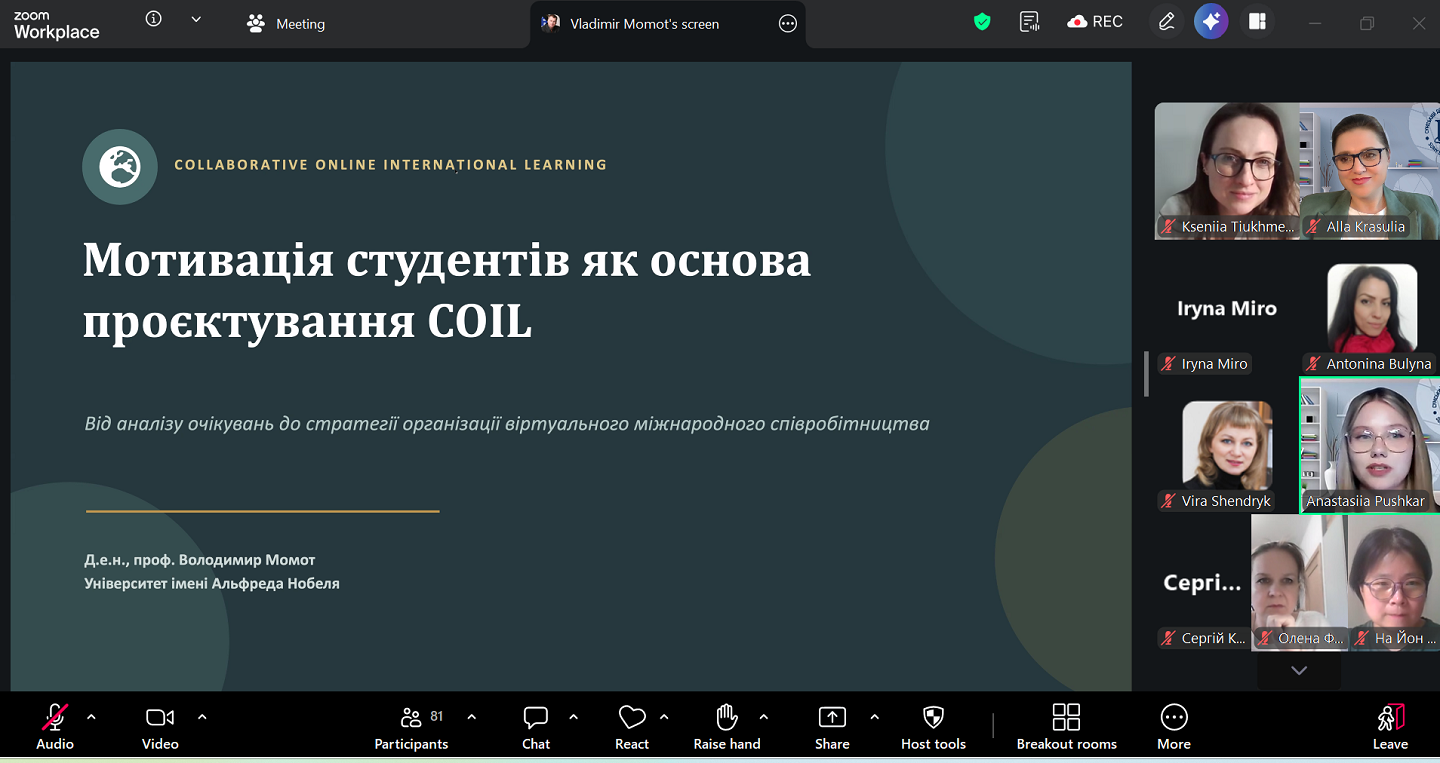
The programme also featured a presentation by Professor Volodymyr Momot of Alfred Nobel University, who explored student motivation as a foundation for effective COIL design. His presentation emphasized that successful international online collaboration begins with understanding students' expectations, learning needs, readiness for intercultural interaction, and motivational factors that influence their engagement throughout the learning process.
COIL Pedagogy: From Student Resilience to the Student Voice
The third day of the Forum focused on pedagogical and methodological approaches to COIL in the social sciences and humanities, showcasing how international online collaboration can enrich teaching and learning across disciplines.
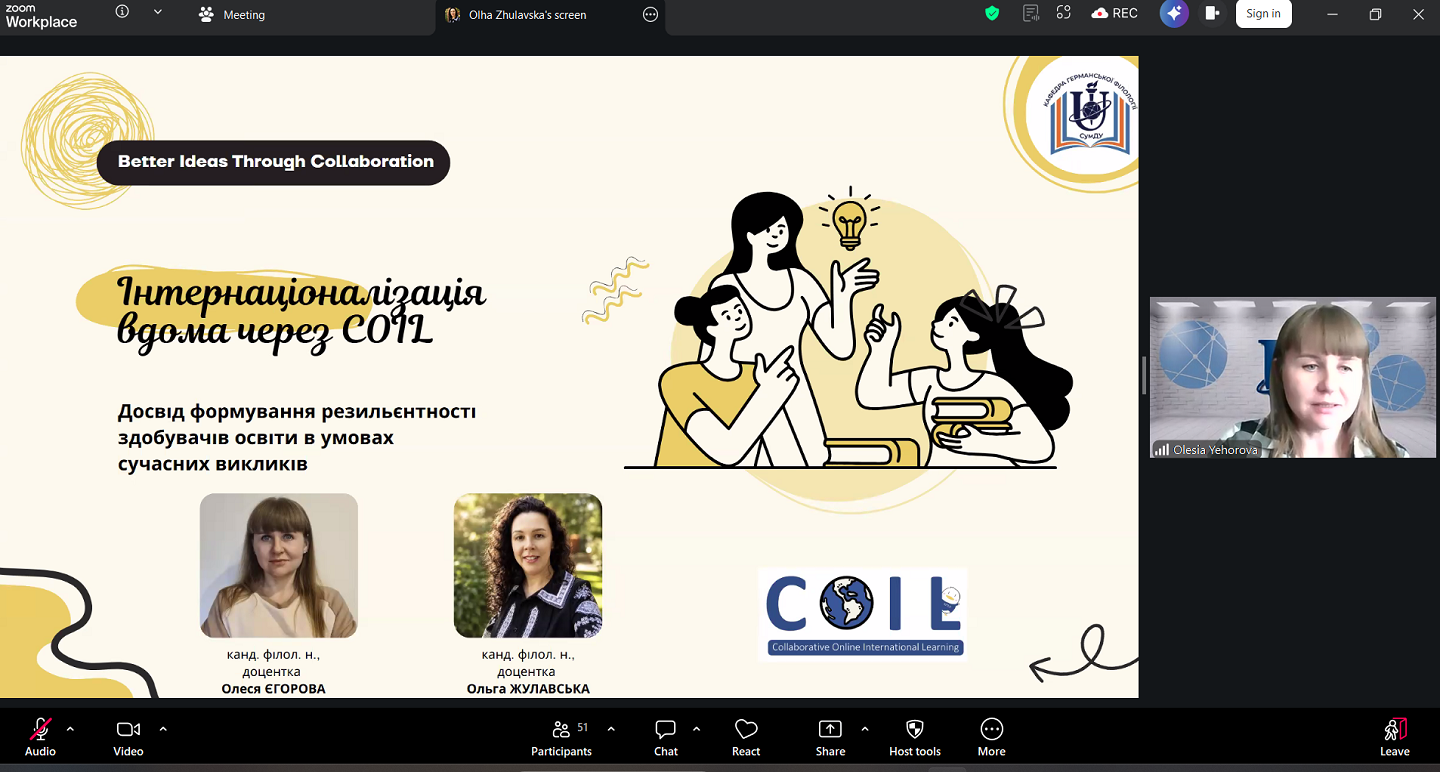
Olesia Yehorova and Olha Zhulavska, Associate Professors in the Department of Germanic Philology at Sumy State University, shared their experience of integrating COIL into language education while fostering student resilience in times of ongoing challenges. Their collaborative projects with Tecnológico de Monterrey (Mexico), Fatih Sultan Mehmet Vakif University (Türkiye), the University of Nicosia (Cyprus), and Małopolska State University in Oświęcim (Poland) focused on developing intercultural competence, critical thinking, digital collaboration, and international teamwork.
Anna Slavko, Associate Professor in the Department of International, European and Comparative Law at Sumy State University, presented successful examples of implementing COIL in legal education. During 2025–2026, she coordinated projects with the Federal Fluminense University (Brazil) and California State University, Stanislaus (USA), engaging more than 150 students in international collaborative learning.
A particularly valuable perspective came from Yana Batura, a SumDU student, who reflected on her participation in three COIL projects – two with Tecnológico de Monterrey and one with Baylor University. Her presentation offered participants an opportunity to view COIL not only from the perspective of educators and coordinators but also through the eyes of a student.
"It was particularly important for participants to hear the student voice. We can speak at length about methodologies, digital tools, and international partnerships, but it is the students who best demonstrate what remains after a COIL experience: confidence in communication, teamwork skills, new international connections, and the understanding that meaningful international education can truly happen online," noted Forum moderator Alla Krasulia.
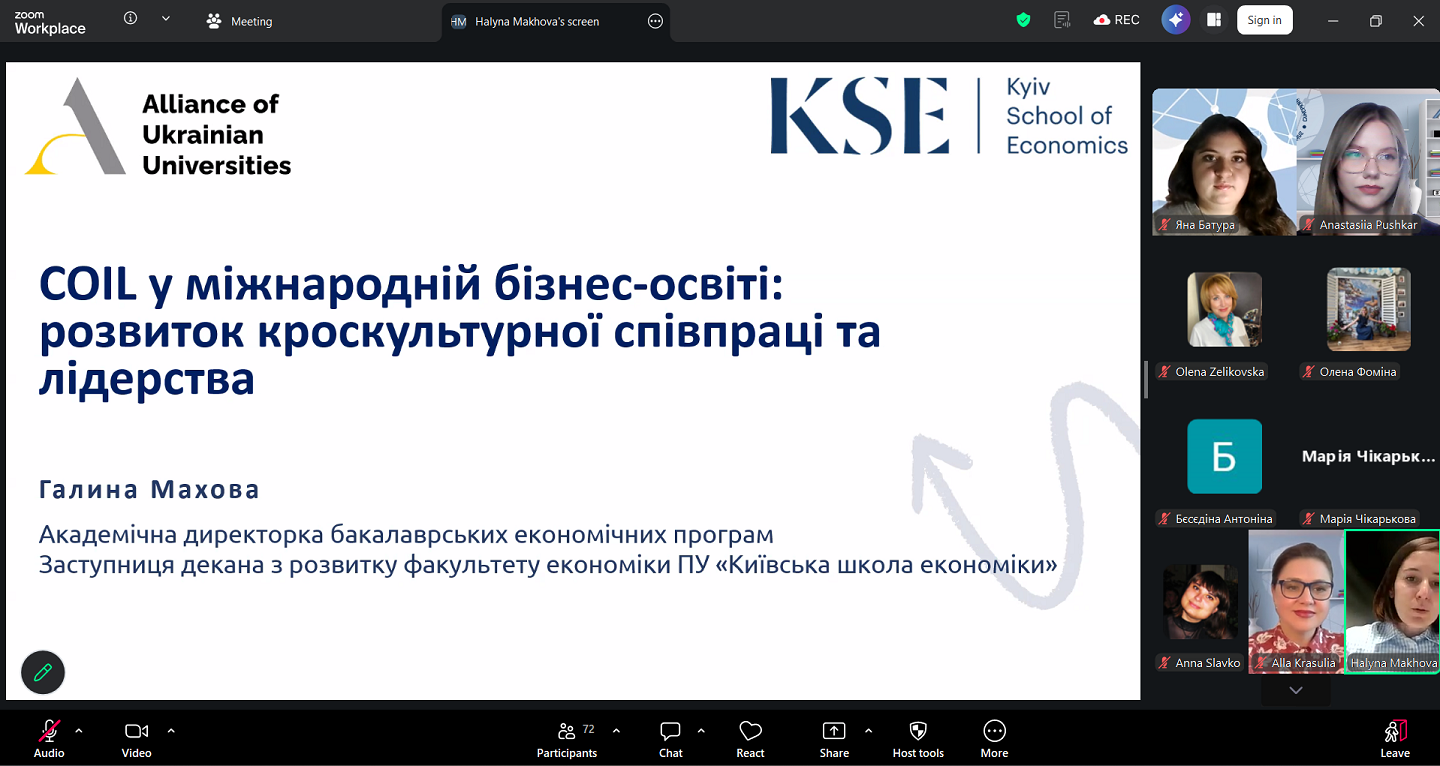
The programme also featured Halyna Makhova, PhD in Economics, Academic Director and Vice Dean of the Faculty of Economics at the Kyiv School of Economics, who presented the international COIL initiative "Redefining Leadership in the Digital Age." Developed in partnership with ZHAW School of Management and Law (Switzerland), LUMSA University (Italy), and Grenoble École de Management (France), the project demonstrated how COIL can strengthen cross-cultural collaboration, digital leadership, and international business education.
Svitlana Medynska, Head of the Department of Foreign Languages at Alfred Nobel University, shared pedagogical insights gained from several large-scale COIL initiatives. Over the past two years, her university has successfully implemented three international collaborative courses: Global Challenges: Past, Present, and Future with Adam Mickiewicz University (Poland), Managing Global Teams in partnership with universities in France and Brazil, and Career Booster, bringing together institutions from the United States, Croatia, Poland, and Ukraine.
Tetiana Kuvaieva, Head of the Department of Marketing at Dnipro University of Technology, illustrated how COIL can serve as a gateway to broader international cooperation, including Blended Intensive Programmes (BIPs), Erasmus+ initiatives, and interdisciplinary collaboration. Between 2025 and 2026, her team implemented three COIL projects with the Technische Universität Bergakademie Freiberg (Germany), during which international student teams created videos, podcasts, digital presentations, social campaigns, and a joint exhibition.
The day concluded with a presentation by Oleksandra Dvurechenska, an Associate Professor at Dnipro University of Technology, who shared her experience implementing her first COIL project in partnership with Adam Mickiewicz University (Poland). The project explored contemporary social identities in Ukraine and Poland while demonstrating how COIL can effectively foster students' intercultural communication competence.
Building a Ukrainian COIL Community
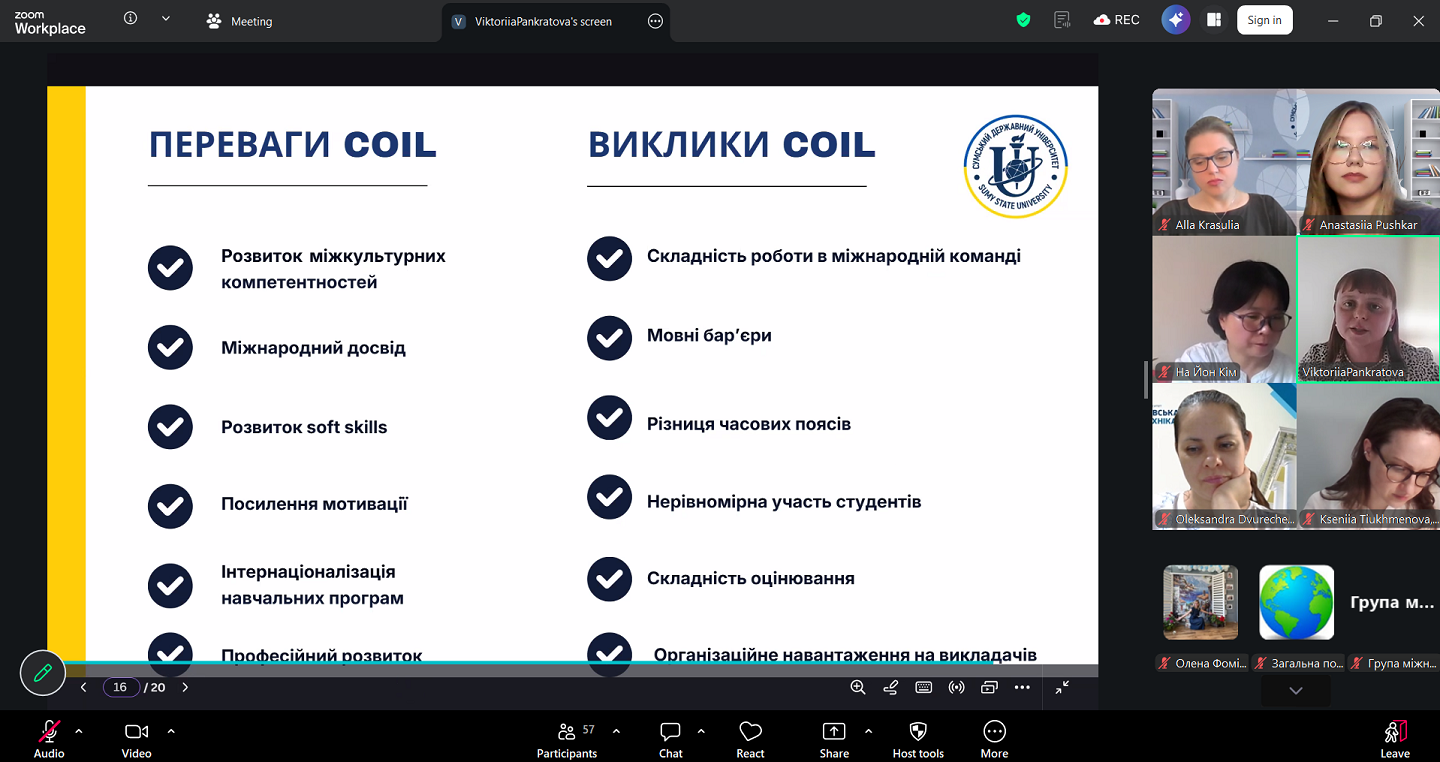
One of the Forum's defining features was its atmosphere of open professional dialogue. Participants discussed not only successful practices but also the challenges of implementing COIL, including time-zone differences, mismatched academic calendars, language barriers, digital tools, student motivation, academic recognition, faculty workload, and the long-term sustainability of institutional COIL initiatives.
Reflecting on the diversity of the programme, Alla Krasulia noted:
"What impressed me most was the diversity of perspectives we heard throughout the Forum. We welcomed philologists, lawyers, economists, engineers, psychologists, students, university leaders, and educators representing different institutions and generations. This once again demonstrates that there is no single model for COIL. It is a space for pedagogical creativity – creativity in the highest professional sense of the word."
According to the Forum moderator, the event became much more than a series of presentations. It evolved into a meeting place for everyone involved in internationalisation: university leaders, international relations professionals, faculty members, students, instructional designers, academic coordinators, and international partners.
"This is how a professional community is built – not through formal decisions, but through trust, mutual support, a willingness to share experience, and a shared commitment to finding solutions together."
Looking Ahead: Towards a Ukrainian COIL Centre
The Forum concluded with a collective reflection on the future of COIL in Ukraine. Participants discussed the Forum's key takeaways and identified strategic priorities for the continued development of virtual international collaboration across the country's higher education sector.
Among the proposed next steps were:
- establishing a national platform to connect Ukrainian and international COIL partners;
- developing a repository of Ukrainian COIL case studies and best practices;
- preparing methodological guidelines and professional development resources for educators;
- strengthening institutional mechanisms for the recognition of virtual mobility and learning outcomes;
- expanding training opportunities for COIL coordinators and academic staff;
- building a national network of Ukrainian COIL Champions; and
- establishing a Ukrainian COIL Centre, potentially under the auspices of the Alliance of Ukrainian Universities, to support institutional development, partnership building, and capacity enhancement.
"For us, this Forum is not the conclusion of a project—it is the beginning of a new phase. Ukrainian universities are clearly seeking methodological guidance, organisational support, and stronger international partnerships. This is why the idea of establishing a Ukrainian COIL Centre, particularly within the Alliance of Ukrainian Universities, is not only promising but also both timely and strategically important," emphasized Alla Krasulia.
Participants agreed that Collaborative Online International Learning has become one of the most practical and sustainable approaches to advancing the internationalisation of Ukrainian higher education during wartime. By expanding access to global learning opportunities despite physical mobility limitations, COIL continues to strengthen international partnerships and ensure that Ukrainian students remain actively connected to the global academic community.
Conclusion
The COIL Forum of the Alliance of Ukrainian Universities, hosted by Sumy State University, became an important platform for sharing institutional experience, exchanging best practices, and shaping a common vision for the future of virtual international collaboration in Ukraine.
Over the course of four days, participants explored the full spectrum of COIL implementation – from strategic leadership and institutional management to practical pedagogical approaches across a wide range of academic disciplines.
Reflecting on the Forum, Alla Krasulia concluded:
"Over the past four days, we have seen that COIL works equally well across the social sciences and humanities, engineering, psychology, law, natural sciences, and technical disciplines. Yet regardless of the field, one principle remains constant: students, meaningful faculty partnerships, and collaborative learning are always at the heart of the experience. It is through stories like these that we are gradually shaping a new culture of international collaboration in Ukrainian higher education."
The organisers expressed their sincere gratitude to all speakers, participants, international partners, as well as to the Rector's Council, the Management Board, and the International Working Group of the Alliance of Ukrainian Universities for their commitment, openness, and shared dedication to strengthening Ukraine's growing COIL community.
Rather than marking the end of a project, the Forum concluded with an invitation to continue working together – developing new COIL courses, establishing new international partnerships, launching inter-university initiatives, and building a sustainable national ecosystem for Collaborative Online International Learning in Ukraine.